
Ube Flavoring Is One of the Hottest Right Now
The Rundown

Ube flavoring is gaining momentum because of its distinctive purple color, mild sweetness, and versatility across food and beverage applications.

For consumers asking what ube flavor is, the profile is generally sweet, nutty, lightly earthy, and often compared with vanilla or creamy dessert notes.

Ube flavor extract helps brands deliver a consistent ube profile across beverages, bakery products, confectionery, gummies, and nutritional products.

The current ube flavor frenzy gives product developers opportunities to pair a culturally rooted flavor with modern formats, functional ingredients, and unexpected flavor combinations.
Bright purple, instantly recognizable, and surprisingly versatile, ube has moved well beyond its traditional roots to become one of the most talked-about flavors in food and beverage. This trend has seen ube flavoring popping up across diverse categories, from cozy lattes and rich ice creams to baked goods, chewy gummies, and signature drinks.
Its distinctive color and mild sweetness let brands create products that catch the eye while still delivering a flavor consumers can enjoy again and again. This momentum is hard to miss. Ube has increasingly appeared on café and restaurant menus worldwide, and major beverage brands introduced ube-based drinks in 2026. Yet for food scientists and developers, the true potential extends far beyond its vibrant hue.
What Is Ube Flavor?
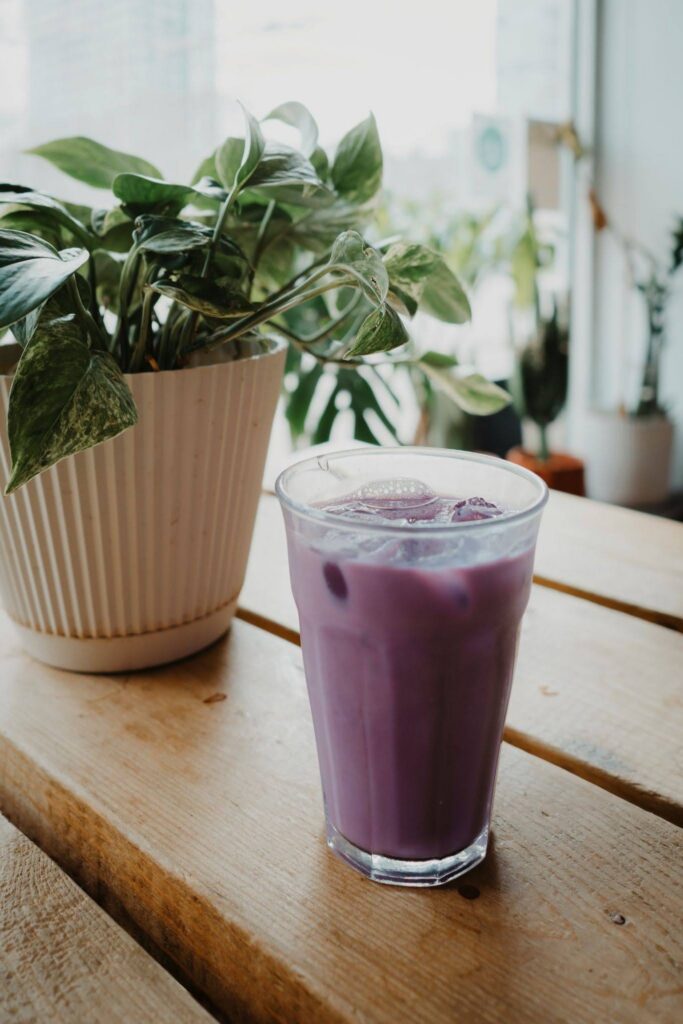
For consumers asking what ube flavor is, it starts with the ingredient itself. Native to Filipino culinary heritage, ube (pronounced “oo-beh”) is a vibrant purple yam that has anchored local dessert recipes for generations. It differs from taro and purple sweet potato, though people sometimes confuse them because of their appearance. Its taste profile is pleasantly gentle, with a sweet, earthy, nutty richness and delicate undertones of vanilla.
That approachable profile helps explain why ube works so well across bakery, confectionery, frozen desserts, and beverages. Instead of dominating the palate, this versatile root seamlessly elevates creamy, fruity, tropical, and dessert-style formulations. That versatility gives food and beverage developers plenty of room to experiment with both familiar and unexpected combinations.
Why the Ube Flavor Frenzy Keeps Growing
The current ube flavor frenzy has several things working in its favor. To start, the visually striking purple tone naturally commands attention on store shelves, menu boards, and digital feeds. Visual appeal matters, especially when brands want a new product to feel distinctive before someone even tastes it. Yet eye-catching aesthetics alone cannot sustain a long-term market trend.
Ube also has a flavor profile distinct enough to feel new to many U.S. consumers without being difficult to enjoy. This balanced sensory profile makes the ingredient highly adaptable across manufacturing applications. Current applications range from lattes and bubble tea to cookies, cheesecakes, ice cream, pastries, and other desserts. Ultimately, the ingredient pulls double duty for CPG brands by delivering instant shelf appeal alongside a comforting, accessible taste profile.
Ube Flavoring Can Go Far Beyond Dessert
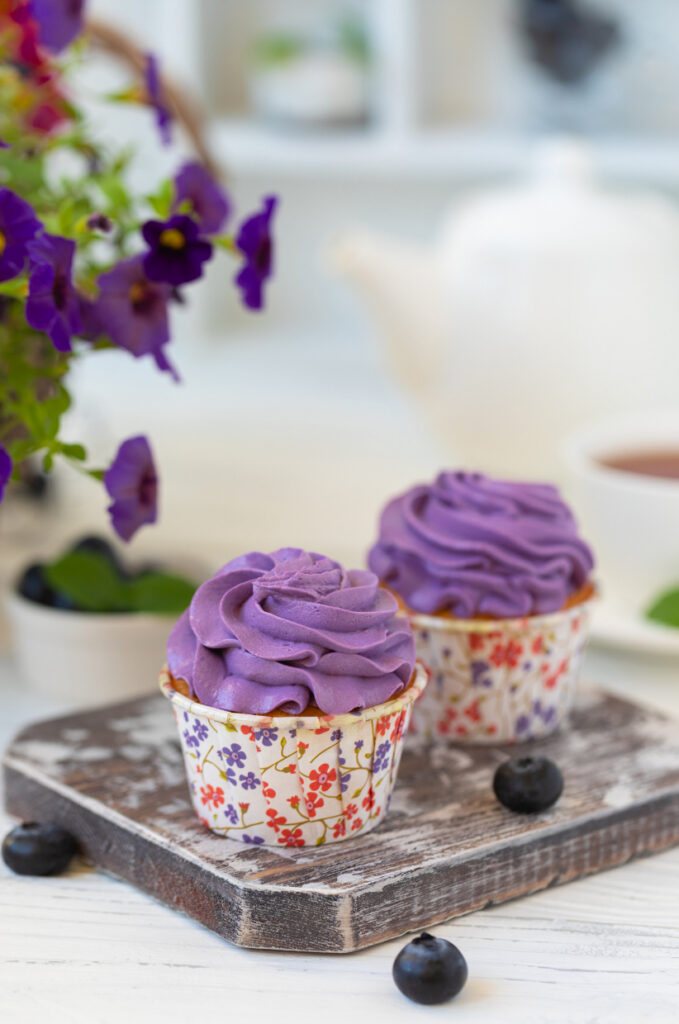
Desserts may be the obvious starting point, but ube flavoring has much broader potential. In the bakery space, it easily enhances everything from layered cakes and soft cookies to rich frostings and sweet breads. Beverage developers can explore ube lattes, shakes, protein beverages, milk-based drinks, and café-inspired creations. Meanwhile, confectionery manufacturers can seamlessly incorporate the ingredient into premium chocolates, hard candies, and functional gummies.
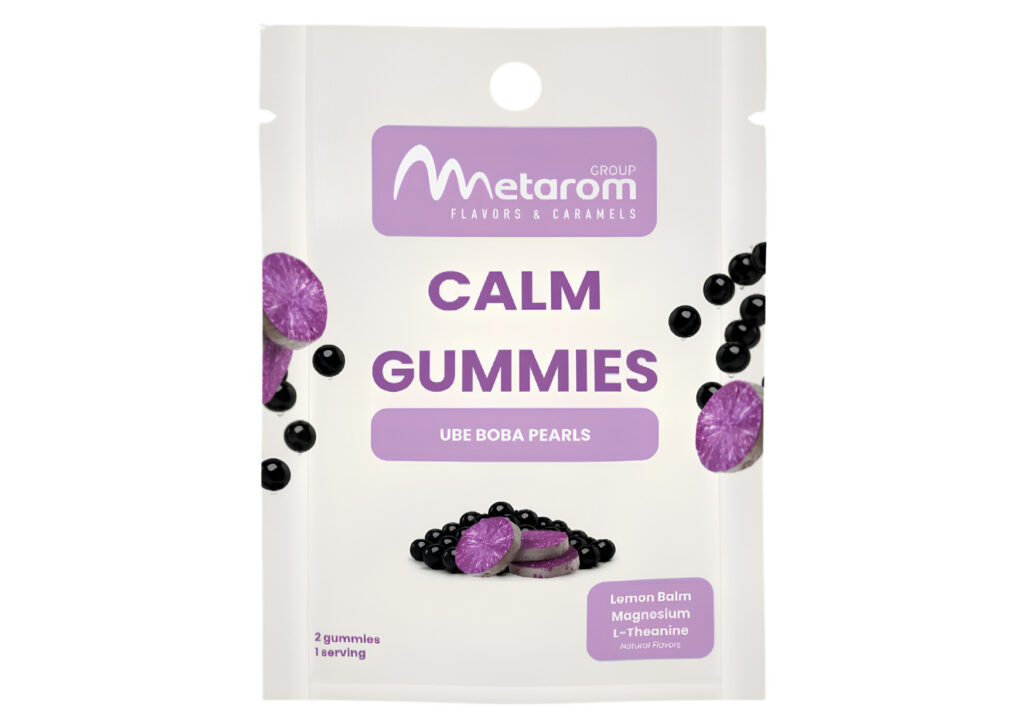
Metarom USA recently highlighted this versatility through a Ube Boba Pearls functional gummy concept created for SupplySide Global 2026. This innovative prototype blended the high-demand taste and striking hue of ube into a functional format, illustrating how traditional taste profiles can be modernized for contemporary markets. Brands exploring similar concepts can also browse Metarom USA’s flavors and extracts, which include ube among a broad selection of classic and more distinctive flavor options.
What About Ube Flavor Extract?
An ube flavor extract can give product developers a practical way to introduce the profile into different formulations. Concentrated solutions and liquid extracts are especially crucial for maintaining uniform taste profiles across large-scale commercial production runs. They also allow formulators to build the desired ube profile without relying exclusively on fresh purple yam, which may not be practical for every commercial application.
Choosing the optimal format largely depends on the finished product matrix. An extract that works well in a bakery application may have different formulation requirements than a flavor designed for a beverage, gummy, or nutritional product. To solve these matrix challenges, Metarom USA formulates tailored flavor solutions to match specific manufacturing processes, bases, and target sensory profiles. Explore our flavor and extract solutions, or learn more about beverage flavors and extracts for applications where flavor performance must hold up in a drink formulation.
Ube Can Also Work With Functional Products
One of the most interesting opportunities for ube may be its crossover into functional food and beverage development. Modern shoppers are actively seeking products that provide targeted health benefits without compromising on taste. Functional ingredients such as protein, vitamins, minerals, caffeine alternatives, botanicals, or other active ingredients can introduce off-notes that formulation must address.Ube’s creamy, sweet, and lightly nutty profile can help create an indulgent sensory direction for gummies, nutritional products, and functional beverages. Depending on the active ingredients, custom systems may be needed to tune sweetness, smooth texture, or mask lingering bitterness. Metarom USA’s functional flavor formulation solutions include masking agents, bitter blockers, sweetness enhancers, and other approaches designed to help balance flavor with nutritional and functional goals.

How Can Brands Make Ube Their Own?
A popular flavor does not mean every ube product needs to taste the same. The most successful product lines treat ube as a foundation for creative flavor pairing rather than a standalone element. Pairing it with complementary profiles can help a brand create something more distinctive.
Try pairing ube with coconut for a lush tropical note, vanilla for a smooth classic twist, or brown sugar boba notes for a fun, beverage-inspired formulation. Fruit notes can take the flavor in a completely different direction..
Bring Ube Flavoring Into Your Next Product
Ube may be having its moment, but its appeal goes beyond a trend. It pairs a striking visual identity and an approachable taste with a rich cultural history and multi-category adaptability. For food and beverage brands, ube flavoring offers plenty of room for creativity, whether you’re creating a bakery-inspired treat, a colorful beverage, a functional gummy, or something consumers haven’t seen before. Ready to see how ube can elevate your product lineup? Contact Metarom USA to discuss custom flavors, product applications, and sample options with our flavor team.

