Search

Metarom USA at Supply Side Global 2026: Functional Food, Beverages & Gummies

Metarom USA at Supply Side Global 2026: Functional Food, Beverages & Gummies

October 1, 2026

SupplySide Global brings together leaders across the nutritional and functional products industry, with a strong focus on functional food and beverages, nutraceutical ingredients, and emerging wellness innovations. As one of the year’s key events for the nutraceutical sector, it offers a valuable look at the ingredients, formats, and trends shaping what comes next. Metarom USA’s […]

Read More

Tradeshow Information

✨

Metarom USA at Supply Side Global 2026 in Las Vegas

📅

From October 28 to 30

📍

Booth 7235

SupplySide Global brings together leaders across the nutritional and functional products industry, with a strong focus on functional food and beverages, nutraceutical ingredients, and emerging wellness innovations. As one of the year’s key events for the nutraceutical sector, it offers a valuable look at the ingredients, formats, and trends shaping what comes next.

Metarom USA’s Expertise

Elevate your health without giving up the flavors you love. Metarom brings indulgence and functionality together, helping brands create functional food, beverages, and gummies that deliver both enjoyable taste and added nutritional benefits.

Trends

Health and wellness continue to shape consumer choices, with people looking for functional benefits in more of the foods and beverages they enjoy every day. At the same time, expectations for taste, nutrition, sustainability, and functionality are rising.

As consumers become more mindful of ingredients such as caffeine, brands are exploring new formulations and functional alternatives. These innovations can help overcome common barriers such as flavor, mouthfeel, and nutritional appeal while still delivering the benefits consumers are seeking.

A woman checking a label in a store.

What you’ll taste at our booth

Discover innovative functional products that pair great flavor with thoughtful formulation. From gummies to beverages, each concept shows how taste and functionality can work together without compromise.

Our Functional Gummies

Candy-inspired gummies – let your inner child take the lead of your taste buds!

Metarom Grow Gummies – Blue Raspberry Sour Patch

Grow Gummies – Blue Raspberry Sour Patch

Be surprised by our new sour/sugar-coated creatine gummy that will support your daily routine. Inspired by Sour Patch candy, it links adult needs to childhood cravings.

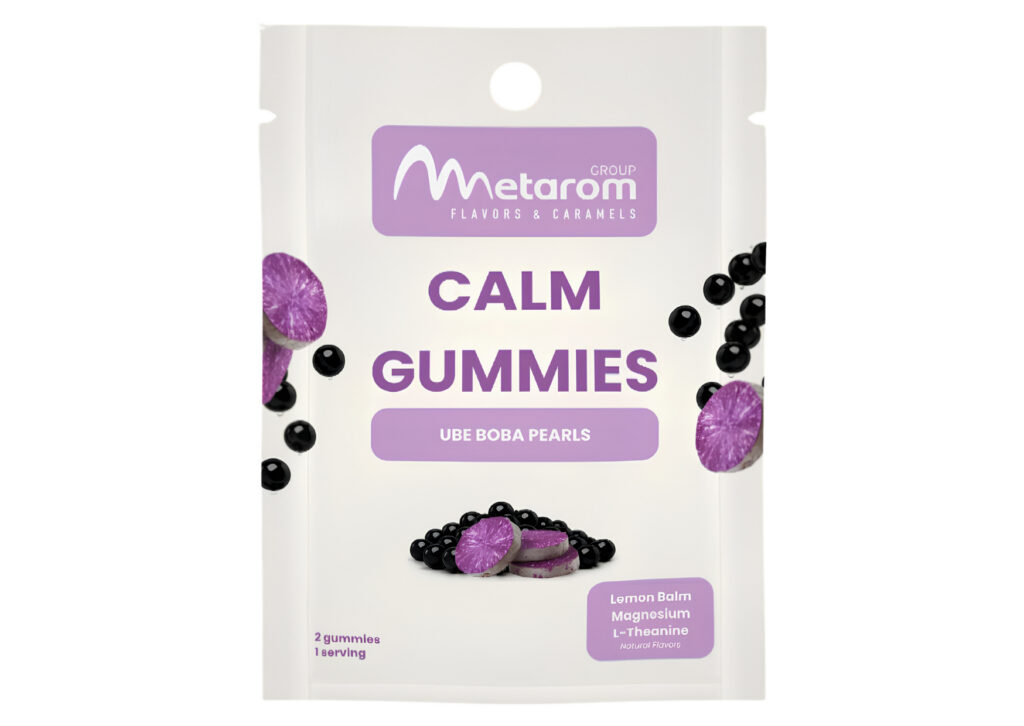
Metarom Calm Gummies – Ube Boba Pearls

Calm – Ube Boba Pearls

Explore a new way to taste this trendy flavor with its unforgettable color and soft taste, and feel relaxed from the first bite.

Beverage-inspired gummies – all the flavor of your favorite sips, reimagined in every chew.

Metarom Immune Gummies – Yuzu & Ginger Shot

Immune – Yuzu & Ginger Shot

Two strong natural flavors associated with Vitamin D3, B12, B6, and Zinc Citrate that will help your body reinforce its protection.

Metarom Energy Gummies – Pineapple/Guava Dirty Soda

Energy – Pineapple/Guava Dirty Soda

Creamy, fruity, energetic, our dirty-soda-inspired energy gummy will help you achieve your everyday goals in no time.

Our Functional Beverages

We will also be presenting two innovative functional beverages:

Clear-Protein: Peach-Mango

As a refined, filtered, and processed version of basic protein, clear protein delivers up to 90% protein, with almost all fat and carbohydrates removed. This new way to consume protein lets people drink a light, juice-like drink that’s easy to sip while still getting all the functional benefits.

Clear protein offers refreshing alternatives to traditional protein drinks, highlighting healthy benefits with fruity flavors.

A peach mango drink.

Energy Drink: Watermelon-Raspberry with Ginseng Extract

Energy drinks have become an everyday lifestyle beverage, and the market is now seeking innovation, cleaner formulations, and cross-functionality. We chose Ginseng Extract as a caffeine alternative to deliver cleaner energy/focus with fewer perceived trade-offs such as sleep disruption, jitters, and crashes.

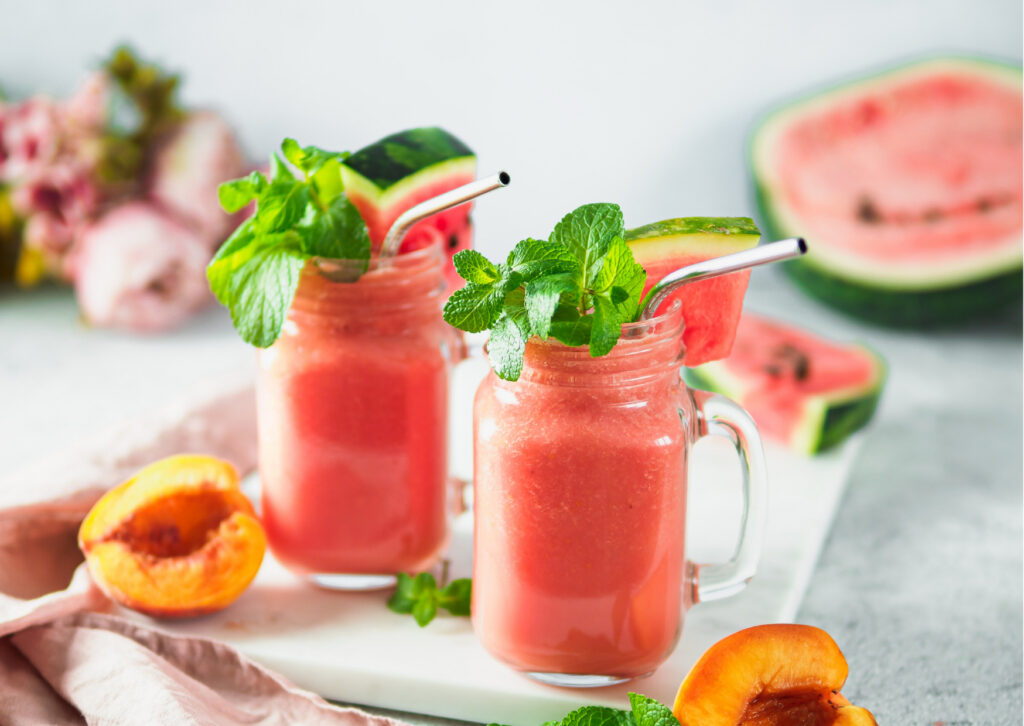
A watermelon drink.

See you in Las Vegas!


Ube Flavoring Is One of the Hottest Right Now

Ube Flavoring Is One of the Hottest Right Now

October 1, 2026

The Rundown Bright purple, instantly recognizable, and surprisingly versatile, ube has moved well beyond its traditional roots to become one of the most talked-about flavors in food and beverage. This trend has seen ube flavoring popping up across diverse categories, from cozy lattes and rich ice creams to baked goods, chewy gummies, and signature drinks. […]

Read More

The Rundown

spark icon

Ube flavoring is gaining momentum because of its distinctive purple color, mild sweetness, and versatility across food and beverage applications.

Rocket Icon

For consumers asking what ube flavor is, the profile is generally sweet, nutty, lightly earthy, and often compared with vanilla or creamy dessert notes.

Orange Icon

Ube flavor extract helps brands deliver a consistent ube profile across beverages, bakery products, confectionery, gummies, and nutritional products.

target and arrow Icon

The current ube flavor frenzy gives product developers opportunities to pair a culturally rooted flavor with modern formats, functional ingredients, and unexpected flavor combinations.

Bright purple, instantly recognizable, and surprisingly versatile, ube has moved well beyond its traditional roots to become one of the most talked-about flavors in food and beverage. This trend has seen ube flavoring popping up across diverse categories, from cozy lattes and rich ice creams to baked goods, chewy gummies, and signature drinks.

Its distinctive color and mild sweetness let brands create products that catch the eye while still delivering a flavor consumers can enjoy again and again. This momentum is hard to miss. Ube has increasingly appeared on café and restaurant menus worldwide, and major beverage brands introduced ube-based drinks in 2026. Yet for food scientists and developers, the true potential extends far beyond its vibrant hue.

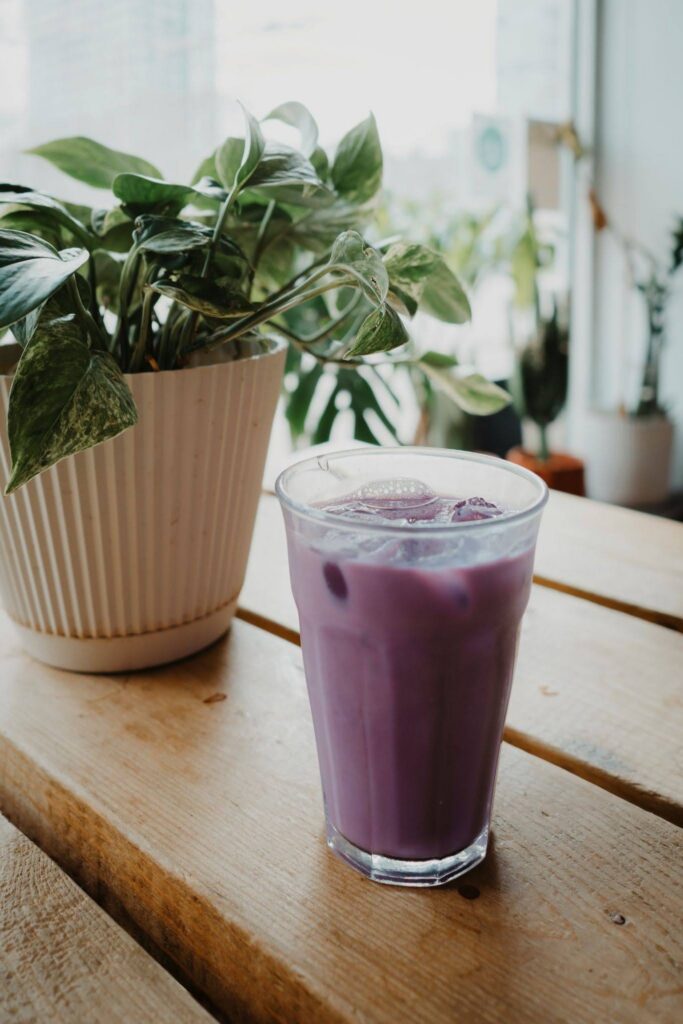
A purple ube beverage served over ice on a wooden table.

What Is Ube Flavor?

For consumers asking what ube flavor is, it starts with the ingredient itself. Native to Filipino culinary heritage, ube (pronounced “oo-beh”) is a vibrant purple yam that has anchored local dessert recipes for generations. It differs from taro and purple sweet potato, though people sometimes confuse them because of their appearance. Its taste profile is pleasantly gentle, with a sweet, earthy, nutty richness and delicate undertones of vanilla.

That approachable profile helps explain why ube works so well across bakery, confectionery, frozen desserts, and beverages. Instead of dominating the palate, this versatile root seamlessly elevates creamy, fruity, tropical, and dessert-style formulations. That versatility gives food and beverage developers plenty of room to experiment with both familiar and unexpected combinations.

Why the Ube Flavor Frenzy Keeps Growing

spark icon

The current ube flavor frenzy has several things working in its favor. To start, the visually striking purple tone naturally commands attention on store shelves, menu boards, and digital feeds. Visual appeal matters, especially when brands want a new product to feel distinctive before someone even tastes it. Yet eye-catching aesthetics alone cannot sustain a long-term market trend.

Orange Icon

Ube also has a flavor profile distinct enough to feel new to many U.S. consumers without being difficult to enjoy. This balanced sensory profile makes the ingredient highly adaptable across manufacturing applications. Current applications range from lattes and bubble tea to cookies, cheesecakes, ice cream, pastries, and other desserts. Ultimately, the ingredient pulls double duty for CPG brands by delivering instant shelf appeal alongside a comforting, accessible taste profile.

Ube Flavoring Can Go Far Beyond Dessert

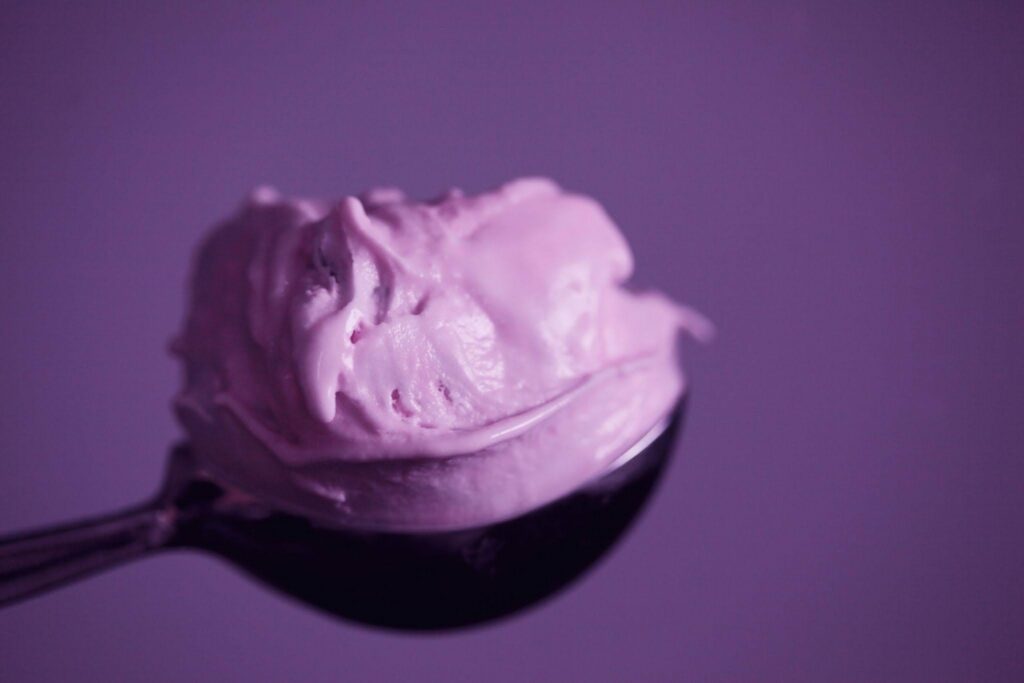
Desserts may be the obvious starting point, but ube flavoring has much broader potential. In the bakery space, it easily enhances everything from layered cakes and soft cookies to rich frostings and sweet breads. Beverage developers can explore ube lattes, shakes, protein beverages, milk-based drinks, and café-inspired creations. Meanwhile, confectionery manufacturers can seamlessly incorporate the ingredient into premium chocolates, hard candies, and functional gummies.

Two cups of purple ube ice cream with colorful sprinkles.
Metarom USA Calm Gummies package featuring Ube Boba Pearls functional gummies.

Metarom USA recently highlighted this versatility through a Ube Boba Pearls functional gummy concept created for SupplySide Global 2026. This innovative prototype blended the high-demand taste and striking hue of ube into a functional format, illustrating how traditional taste profiles can be modernized for contemporary markets. Brands exploring similar concepts can also browse Metarom USA’s flavors and extracts, which include ube among a broad selection of classic and more distinctive flavor options.

What About Ube Flavor Extract?

An ube flavor extract can give product developers a practical way to introduce the profile into different formulations. Concentrated solutions and liquid extracts are especially crucial for maintaining uniform taste profiles across large-scale commercial production runs. They also allow formulators to build the desired ube profile without relying exclusively on fresh purple yam, which may not be practical for every commercial application.

Choosing the optimal format largely depends on the finished product matrix. An extract that works well in a bakery application may have different formulation requirements than a flavor designed for a beverage, gummy, or nutritional product. To solve these matrix challenges, Metarom USA formulates tailored flavor solutions to match specific manufacturing processes, bases, and target sensory profiles. Explore our flavor and extract solutions, or learn more about beverage flavors and extracts for applications where flavor performance must hold up in a drink formulation.

Ube Can Also Work With Functional Products

One of the most interesting opportunities for ube may be its crossover into functional food and beverage development. Modern shoppers are actively seeking products that provide targeted health benefits without compromising on taste. Functional ingredients such as protein, vitamins, minerals, caffeine alternatives, botanicals, or other active ingredients can introduce off-notes that formulation must address.Ube’s creamy, sweet, and lightly nutty profile can help create an indulgent sensory direction for gummies, nutritional products, and functional beverages. Depending on the active ingredients, custom systems may be needed to tune sweetness, smooth texture, or mask lingering bitterness. Metarom USA’s functional flavor formulation solutions include masking agents, bitter blockers, sweetness enhancers, and other approaches designed to help balance flavor with nutritional and functional goals.

Person holding a layered purple ube beverage, highlighting ube flavoring for functional drink applications.

How Can Brands Make Ube Their Own?

A popular flavor does not mean every ube product needs to taste the same. The most successful product lines treat ube as a foundation for creative flavor pairing rather than a standalone element. Pairing it with complementary profiles can help a brand create something more distinctive.

Try pairing ube with coconut for a lush tropical note, vanilla for a smooth classic twist, or brown sugar boba notes for a fun, beverage-inspired formulation. Fruit notes can take the flavor in a completely different direction..

Bring Ube Flavoring Into Your Next Product

Ube may be having its moment, but its appeal goes beyond a trend. It pairs a striking visual identity and an approachable taste with a rich cultural history and multi-category adaptability. For food and beverage brands, ube flavoring offers plenty of room for creativity, whether you’re creating a bakery-inspired treat, a colorful beverage, a functional gummy, or something consumers haven’t seen before. Ready to see how ube can elevate your product lineup? Contact Metarom USA to discuss custom flavors, product applications, and sample options with our flavor team.


How Masking Agents Transform the Taste of High-Protein & Botanical Products

How Masking Agents Transform the Taste of High-Protein & Botanical Products

February 26, 2026

Key Takeaways: A masking agent is what flavor chemists use to reduce unwanted flavors in a food product or beverage without altering its recipe or nutritional value. Flavor masking agents for protein products remove bitter, chalky, or metallic off-notes, while taste masking in botanicals neutralizes bitter, earthy, or acidic notes. Discover real-world applications of how […]

Read More

Key Takeaways:

  • A masking agent is what flavor chemists use to reduce unwanted flavors in a food product or beverage without altering its recipe or nutritional value.
  • Flavor masking agents for protein products remove bitter, chalky, or metallic off-notes, while taste masking in botanicals neutralizes bitter, earthy, or acidic notes.
  • Discover real-world applications of how masking agents transform taste in food products used today.

High-protein and botanical products pack plenty of health perks, but their flavors, left as-is, can sometimes miss the mark. Ever had a protein shake that tastes more like bitter chalk? Or a botanical drink with an earthy kick that’s hard to enjoy? That’s why masking agents are so important. They smooth out those rough flavors, making your favorite health products taste better without altering their nutrition. Let’s find out how masking agents transform taste to please even the peskiest of palates!

What Is a Masking Agent?

Masking agents are ingredients that reduce or mask unpleasant flavors in food and beverage products. You can think of them as flavor fixers. They don’t add new tastes. They just work to neutralize bitterness, metallic notes, or other off-flavors that might lead to an adverse perception. There are a few main masking agent technologies that food manufacturers use to transform taste:

  • Encapsulation: Wrapping bitter or strong flavors in a protective coating so they don’t hit your taste buds when eaten.
  • Flavor blockers: Ingredients that target specific off-notes based on the flavor profile you are trying to achieve.
  • Sweetness enhancers: These boost the sweetness so you can still get a tasty product with less sugar.
  • Masking blends: A mix of ingredients that tackle multiple off-flavors simultaneously.

At Metarom USA, we pride ourselves on delivering superior, authentic flavors that create flavor memories your customers will enjoy. We believe flavors evoke an emotional experience when they hit the tongue, so our role in food masking is always taken seriously. Read more about how masking agents transform taste using our proprietary chemical ACTI’SENS process.

A lady reluctantly trying a botanical drink without taste masking in it

Practical Benefits of Food Masking Agents

Besides covering up unwanted flavors, masking agents offer several practical benefits that improve the overall quality of protein and botanical products:

  • Your foodstuffs don’t have to be artificial. Masking enhances flavor authenticity, making sure the taste stays true to the natural ingredients.
  • Over 90% of consumers will reject a food because of its texture, no matter how good it tastes. A masking agent is what improves mouthfeel to correct this issue.
  • You can expand your product line with healthier options. Food masking can replace fatty and sugary ingredients with alternatives that taste just as good but are better for the body.

Flavor Masking Agents for Protein Products

Getting masking agents to transform the taste of natural protein in food products can get a bit tricky. Plant-based protein sources have a beany, nutty, or fibrous taste that isn’t the most appealing in certain foods and beverages. Whey protein could have a bitter, cheesy aftertaste that nobody really wants. Or maybe it’s just an unintentional umami flavor that cuts through.

Since you don’t want to turn people off before they even get a chance to enjoy your food, consider incorporating functional flavor formulations that open limitless possibilities for creating the flavors you want.

Real-World Applications in Protein Products

  • Protein bars and snacks that are easy to digest
  • Protein shakes and powders that pair well with liquids
  • Nutritional supplements that require a pleasant flavor profile
  • Meal replacement products, designed to be both nutritious and tasty

Taste Masking in Botanical Products

Getting masking agents to transform the taste of organic botanical products poses its own set of challenges. Botanicals have some very strong flavors: sometimes they’re earthy, woody, or even a bit astringent. And these flavors aren’t for everyone. While those natural tastes are part of what makes them good for you, they can also make it tough to stomach.

We don’t have to give up plant-based consumption, nor do we have to grin and bear it. The intense taste of botanicals can be transformed with masking agents that help hide these flavors without interfering with the product’s health benefits. Now, you can extend botanical flavor applications without issue!

Real-World Applications in Botanical Products

  • Herbal teas and infusions that need smoother and milder flavors
  • Botanical extracts and tinctures with pungent aftertastes
  • Functional beverages like kombucha and sparkling soda
  • Nutraceutical and wellness products designed for daily use

Masking Agents: The Secret to Flavor Success

A masking agent is what professional flavor chemists call upon to make food products taste great. Whether that’s flavor masking agents for protein products or taste masking in botanicals, there are special considerations needed to handle undesirable off-notes. Not only that, we now know how to get masking agents to transform taste without compromising nutrition.

Picking the right masking ingredients can really help food brands create healthier, more delicious products that people will adore. If you want to make your product taste better and get noticed, contact Metarom USA to find a solution that works for you.


What Is Vanillin? The Science Behind Vanilla Flavoring

What Is Vanillin? The Science Behind Vanilla Flavoring

January 27, 2026

Key Takeaways: Vanilla comes from vanillin. Food companies and consumers often use vanillin in chocolate or in baking as a substitute for vanilla extract. There is science behind vanilla flavoring, and it involves both natural and synthetic manufacturing, though Metarom USA focuses solely on natural vanillin. Understanding the vanillin production process and how vanillin extraction […]

Read More

Key Takeaways:

  • Vanilla comes from vanillin.
  • Food companies and consumers often use vanillin in chocolate or in baking as a substitute for vanilla extract.
  • There is science behind vanilla flavoring, and it involves both natural and synthetic manufacturing, though Metarom USA focuses solely on natural vanillin.
  • Understanding the vanillin production process and how vanillin extraction works helps choose the right flavoring.

Vanilla beans naturally have vanillin, which gives vanilla its smell and taste. Because many food products contain vanillin, its popularity in the food industry is evident. And to consumers? The taste of vanilla is one of comfort and necessity.

For decades, Metarom USA has been manufacturing vanilla products, so we know it’s the biggest seller. This article breaks down what vanillin is, the science behind natural and synthetic vanilla, and its role in the food industry.

Vanillin’s Chemical Makeup

Vanillin’s chemical compound is a phenolic aldehyde. Flavor experts have discovered that certain parts of this vanillin molecule directly influence vanilla’s characteristics. Meanwhile, other molecules in the vanilla bean, like anisaldehyde, don’t always appeal to the palate.

So what is the true significance of vanillin? Vanilla flavoring has a scientific basis. Food manufacturers must properly extract vanillin for the most authentic flavor rendition. Nailing the right chemistry can bring out the most pungent aromas and flavors that interact positively with the senses.

Imagine not having the right vanillin flavor in your chocolate bars or in the cakes you bake. Using the wrong ingredients could disappoint your customers and affect their experience.

At Metarom, our flavor chemists bring deep expertise in extraction and formulation, ensuring our vanilla extracts retain their authentic, natural taste. We prioritize preserving the compound’s integrity throughout the process, choosing natural methods over chemical shortcuts.

What is in Vanillin? The Vanillin Production Process

Not all vanillin is the same. The vanilla flavoring in your store-bought goodies varies because some vanilla is lab-grown using chemicals, while others are sourced directly from Mother Nature. Authentic vanillin is very difficult to extract and process, and the process can take several months. This is why some food manufacturers opt for cheaper alternatives.

Let’s explore both natural and synthetic methods for producing vanillin so you can decide which works best for your food business.

Natural Extraction of Vanillin

Vanillin made from real vanilla beans is what’s best in the market right now. The process is a vigorous one, but here’s how it gets done:

  • To get the best vanilla, you have to pick the pods from good sources. You can usually find these sources in places like Mexico, Tahiti, Sri Lanka, and Madagascar.
  • The beans are then cured by sun-drying for 3-12 months to sweat out their flavor.
  • Next up, the beans are soaked in a water-and-alcohol mixture, which pulls out the vanillin compounds. Even though this step involves some chemical processing, it yields the real vanillin.
  • Finally, the liquid is filtered to get pure vanillin in vanilla extract.

Synthetic Creation of Vanillin

The synthetic vanillin production process provides a budget-friendly option with faster turnaround. However, this method doesn’t quite capture the depth of real vanilla flavor. By using raw materials that imitate vanilla’s signature characteristics, manufacturers can produce vanillin at a fraction of the cost (90% lower than natural extraction). Here’s how industrial plants get it done:

  • They start with materials like lignin, which is what’s left over from making wood pulp. They might, instead, use guaiacol, which comes from oil.
  • Next, the lignin compound (C18H13N3Na2O8S2) or the guaiacol compound (C7H8O2) undergoes chemical oxidation, breaking down their molecular structure to create vanillin (C8H8O3).
  • Finally, crystallization and filtration are used to remove any impurities.

Figuring out which vanillin extraction process to go with depends on two factors: your overall budget and your market position. Skimping on raw materials may help you in the short term, but as flavor preferences evolve into more natural products, consumers might leave you behind.

What is vanillin in ice cream?

Vanillin’s Role in Food Products

Now that we know what vanillin is and all about the vanillin production process, let’s talk about why it really matters to food producers and shoppers alike.

Vanillin is a popular flavor compound due to its inherent versatility. It’s one of those ingredients that continues to drive consumer demand across various food categories. The flavor and consistency of vanilla have many appeals:

  • Vanillin can make food taste sweeter, helping balance flavors. Think of how it can improve protein bars and low-sugar yogurts without extra sugar.
  • It also hides bitter flavors and weird aftertastes, making food taste better. For instance, vanillin can easily make dark chocolate or plain coffee creamers taste much better.
  • Plus, it gives beverages and dairy products, like milkshakes or ice cream, that classic, rich taste. That’s what vanillin is famous for.
  • When you use vanillin in baking, like in vanilla extract, it makes pastries and desserts even richer and smoother.

Unlock the Science Behind Vanilla Flavoring

The natural production of vanillin is essential to what is deemed authentic to the senses in products like vanilla extract, chocolate, and baking. But first, you’ve got to know where to source it.

If you’ve been looking for a food manufacturer with an extensive catalog and expertise that spans decades, reach out to Metarom to get help with your food product ideas today!


Caramel in Confectionery: From Soft Fillings to Crunchy Coatings

Caramel in Confectionery: From Soft Fillings to Crunchy Coatings

January 20, 2026

Key Takeaways: Soft caramel filling gives chocolates and other treats the decadence that appeals to most consumers. Caramel syrup is the most widely used liquid sweetener, perfect for beverages and toppings. Crunchy caramel coatings offer a satisfying texture contrast and help extend product shelf life. Metarom USA’s field knowledge ensures high-quality caramel manufacturing in confectionery […]

Read More

Key Takeaways:

  • Soft caramel filling gives chocolates and other treats the decadence that appeals to most consumers.
  • Caramel syrup is the most widely used liquid sweetener, perfect for beverages and toppings.
  • Crunchy caramel coatings offer a satisfying texture contrast and help extend product shelf life.
  • Metarom USA’s field knowledge ensures high-quality caramel manufacturing in confectionery products, empowering brands to create authentic, memorable flavors.

Caramel has always been a crowd-pleaser. It’s known for its rich flavor, smooth texture, and visual drizzle appeal. Manufacturers value it just as much for its versatility in confectionery product lines.

In this quick guide, we break down three kinds of caramel additions your customers will enjoy (soft caramel fillings, a yummy drizzle of syrup, or a crunchy caramel coating) and how they’re used to make your confections unforgettable.

The Appeal of Caramel in Confectionery

Caramel has a documented growing appeal in food products, with a compound annual growth rate of 7% from 2025-30. This popularity is due, in part, to rising consumer preferences for:

  • Familiar chocolate candies with exciting new caramel filling twists (like Ghirardelli’s Valentine’s collection),
  • Products that pair well with other consumable favorites (like the Caramel Brulee Latte at Starbucks), and
  • Limited edition, indulgent treats that go viral (like the Biscoff Cookie Butter Cake from Nothing Bundt Cakes).

Caramel’s charm wouldn’t even be able to meet consumer demand if the caramel manufacturing process were complicated and costly. But because the science behind making caramel is a fairly straightforward process (heating sugar and a liquid agent to caramelize it), food companies can easily add caramel to their confectionery products without expanding their overhead too much.

With Metarom’s flavor expertise, caramel becomes a powerful tool for brands to deliver authentic experiences that capture consumers’ palates.

Caramel in confectionery bars

Soft Caramel Fillings: The Heart of Chocolates and Candies

There’s nothing quite like biting into a piece of chocolate candy and filling your mouth with that rush of caramel. Maybe it’s the way the smooth filling plays against the crisp outer shell. Or maybe it’s just how well caramel pairs with almost everything. Either way, caramel filling is sure to have your consumers reeling, so consider enhancing your confections with it.

The Soft Caramel Manufacturing Process

Manufacturers of caramel confections make caramel fillings by mixing sugar and butter or cream, then heating the mixture for about 5 minutes. The temperature ranges from 240°F to 390°F, creating light, soft caramel to black, hard caramel. Naturally, lower temperatures help keep the chemistry soft and pliable while maintaining the overall taste profile.

Once the mixture cools, it’s whipped to achieve a smooth, creamy texture, making it perfect as a caramel filling for chocolates and other sweets.

Applications for Soft Caramel Fillings

Popular caramel in confectionery applications that could transform your product line:

  • Truffles and bonbons
  • Chocolate-filled bars
  • Gourmet desserts or pastries
  • Caramel-filled hard candies

Syrup manufacturer for caramel confections

Caramel Syrup: The Liquid Gold of Confections

Caramel syrup is widely used across the food industry, and here’s why:

For starters, it has the most versatility, whether you are drizzling it over cakes and pies or spiking your coffee with it, caramel syrup is a must-have in confectionery brands’ repertoires.

Also, since caramel syrup is a liquid, it often enhances the flavor without altering the overall recipe or how the product is consumed. It’s a simple, sweet topping that people will always want.

The Manufacturing Process of Caramel Syrup

Caramel syrup is made much the same way as caramel filling. The difference lies in the ingredients and the manufacturing process. Syrup calls for using water instead of butter/cream and can have other flavors, like vanilla, added while it is heated. Then it may be diluted further to achieve the desired consistency.

Applications of Caramel Syrup

Trends in caramel syrup usage aim to enhance confectionery flavors and appearance in:

  • Hot or cold coffee or tea
  • Ice cream toppings or sauces
  • Milkshakes
  • Cocktails
  • Donuts
  • Other baked goods and pastries

Crunchy caramel coating on chocolate raspberry cake

Crunchy Caramel Coatings: A Crispy Finish That Makes Sweets Pop

The crisp, crunchy texture of confectionery provides a satisfying contrast that few can ignore. Adding a crunchy caramel topping makes a sweet treat more fun to eat and enhances its aesthetics.

Not only that, adding a crunchy caramel layer to shelf-stable confectionery treats helps protect the inner layers and extend product shelf life. It’s a dream topping for both consumers and manufacturers of caramel confections.

The Crunchy Caramel Coating Manufacturing Process

Caramel coatings take more care and precision to manufacture. Temperature control is important to prevent caramel from burning, which can result in the wrong texture and flavor.

To get that perfect crunchy caramel coating, sugar needs to be heated at a high temperature (upwards of 320°F) and not stirred too much during cooking. Then the resulting caramel is cooled quickly to get that brittle snap.

Applications for Crunchy Caramel Coatings

Crunchy caramel is commonly used in popular confectionery snacks, such as:

  • Candy bars or chocolate clusters
  • Chocolate-covered nuts or fruits
  • Protein bars, granola bars, or other brittle treats
  • Some cakes, pies, and ice cream toppings

Crafting Exceptional Confections with Caramel

Caramel’s versatility is great for all kinds of confections, including candies, drinks, and desserts. Caramel packs rich flavor and texture, making every bite or sip worth it. Caramel, with its many faces, can be a smooth filling for chocolates, a liquid drizzle of goodness in coffee, or a crunchy finish on a snack bar that is sure to impress.

At Metarom USA, we stand out as a leading manufacturer of caramel confections for our innovative caramel solutions, offering unmatched quality, speedy sample preparation, and a broad product catalogue. Our expertise helps brands craft authentic caramel flavors that create memorable experiences that resonate with consumers.

Book a consultation today to hop on the growing trend of caramel in confectionery consumables.


Custom Flavor Manufacturing: Helping Brands Stand Out in Competitive Markets

Custom Flavor Manufacturing: Helping Brands Stand Out in Competitive Markets

December 30, 2025

Key Takeaways Establish a profitable market presence through the creation of unique flavors. Signature flavors help build emotional connections that drive customer loyalty. Experienced flavorists can craft innovative food products while maintaining your brand identity. Metarom’s use of technology in developing flavors simplifies the supply chain and helps your brand stand out. Successful food and […]

Read More

Key Takeaways

  • Establish a profitable market presence through the creation of unique flavors.
  • Signature flavors help build emotional connections that drive customer loyalty.
  • Experienced flavorists can craft innovative food products while maintaining your brand identity.
  • Metarom’s use of technology in developing flavors simplifies the supply chain and helps your brand stand out.

Successful food and beverage companies create products that feel one-of-a-kind through custom flavor manufacturing. Instead of using stock flavor profiles, you can design unique flavors that show what your brand is all about. This can turn regular food products into experiences people remember, so they’ll likely buy from you again and again.

At Metarom USA, consistent, authentic custom flavor solutions will help build customer trust and loyalty over time. Let’s discuss how creating your signature flavor should be a key part of that strategy.

What Custom Flavor Manufacturing Really Means for Your Brand

Custom flavor manufacturing is about creating tailored flavors that align with your brand’s identity and product goals. But big food brands don’t just create innovative flavor profiles for fun. Science has recently linked brand personality and flavors to how a brand is recognized and accepted. In other words, your brand needs a distinguishable flavor to connect with its customers.

Metarom’s comprehensive flavor catalogue means you can find the taste that best fits your formulation. We have hundreds of flavors to ensure your brand holds up in a competitive market:

  • Fruity Flavors
  • Brown Flavors
  • Dairy & Dessert Flavors
  • Alcohol Flavors
  • Savory Flavors
  • Functional Flavors

Learn more about our flavor expertise or download our complete flavor catalogue.

The Power of Branding in Custom Flavor Manufacturing

With so many flavor options available, it is difficult to pin down a unique flavor branding that helps you stand out. Metarom’s French flavor chemists have years of experience in food research. We can help you create flavor profiles that are right for your product. We go as far as tasting your products and providing professional recommendations on additives to help truly elevate your brand.

Here’s a look at how custom flavor manufacturing drives success:

  • Creating signature flavors makes it much easier for a brand to stand out in a competitive market by creating a sensory experience that’s hard to forget.
  • Custom flavor solutions help people look forward to something. When a product is pleasing to the palate, customers don’t just try it once; they come back for it.
  • Flavor naturally creates an emotional response. It often evokes comfort, nostalgia, or excitement. Those connections play a huge role in flavor branding strategies.
  • Food brands that rely on flavor innovation produce products that feel more personal and relatable to customers.

At the end of the day, taste is one of the strongest tools in this industry when building long-term brand patriotism.

Building Brand Loyalty Through Flavor Consistency

Consistency is key in custom flavor manufacturing. Shoppers want their favorite food or beverage to taste good every time, and keeping that promise can promote loyalty.

Flavor consistency matters because:

  • It builds trust: Customers tend to trust brands that aren’t experimenting on their taste buds.
  • It protects good reviews: People notice when something changes, and they will probably leave negative reviews if the change is unfavorable or too different from what they’ve become accustomed to.
  • It strengthens brand image: Quality that never changes shows that your business is professional and cares about what it makes.

At Metarom USA, we ensure your flavors remain consistent from batch to batch through our quality control process. Plus, when you’re ready to expand your product line, you don’t have to search for another custom flavor manufacturer. We’ll service all of your growing needs with the same expertise delivered for more than 100 years.

The use of AI and technology in flavor innovation for food brands

How Food Brands Can Be Innovative

Competitive brands in the market need to do more than just produce trending flavors. They never stop paying attention to where consumer tastes are headed, but they also find ways to deliver something new without losing what makes their brand familiar. So how does Metarom do this while maintaining your flavor identity?

Creating Signature Flavors That Reflect Your Brand Identity

Producing a signature flavor begins with understanding your brand’s story and the audience you want to reach. It’s a collaborative process where you work closely with flavor experts to translate your brand values and product goals into a unique taste profile.

Here’s how the custom flavor solution process typically works:

  1. Discovery: Start by sharing your brand story, target audience, and flavor ideas with the development team so they understand your vision and can help your brand stand out.
  2. Development: After assessing current market trends, our flavorists transform your input into an initial concept before the custom flavor manufacturing phase.
  3. Testing & Refinement: Next, we begin producing samples for you to taste. Then, we tweak the product based on your feedback until the flavor is just right.
  4. Finalization: We lock in the signature flavor, ensuring it aligns with your brand identity and meets our quality standards.

This hands-on approach ensures your signature flavor isn’t just a taste, but a reflection of your brand’s personality and promise.

Leveraging Technology for Flavor Breakthroughs

Metarom isn’t afraid to employ modern tech to improve custom flavor manufacturing. Our team uses artificial intelligence to study taste and aroma data, adjust ingredient mixes, and even find new trends. AI helps us decrease time-to-market while maintaining accuracy and consistency.

Besides technology, Metarom’s flavor chemists rely on their deep knowledge of advanced extraction methods to craft flavors that truly taste authentic. By combining human expertise with innovative technology, we create flavors that resonate with consumers and help brands outpace competitors at every turn.

Partnering with a Trusted Custom Flavor Manufacturer

A good way to be innovative and maintain your identity is by partnering with a custom flavor manufacturer that holds both domestic and international certifications. This means you can test new concepts and still keep the quality your customers expect.

At Metarom, we’ve thought through the entire manufacturing process. Our team cares about delivering high-quality flavors while helping you navigate market challenges efficiently. Gain access to faster lead times, more nutritional product options, and streamlined supply chains that simplify production.

We’re proud that so many brands rely on us for their flavor applications.

Give Your Brand The Competitive Edge

Investing in custom flavor manufacturing offers unique flavor branding options and solutions that are essential to helping brands stand out. Our approach uses flavor innovation to create signature flavors that enable food brands to thrive consistently, boost brand loyalty, and achieve longevity in a competitive market.


Vanilla Unveiled: Natural Vanilla vs. Synthetic, and Why It Matters

Vanilla Unveiled: Natural Vanilla vs. Synthetic, and Why It Matters

October 7, 2025

There is a fundamental difference between natural and synthetic vanilla products and extracts. The reasons why the difference between natural and synthetic vanilla matters, especially for food and beverage brands. Our team at Metarom specializes in vanilla manufacturing, creating delicious vanilla solutions.  Vanilla products are used in a wide range of culinary applications, greatly enhancing the flavor of foods and beverages. However, when using a […]

Read More
  • There is a fundamental difference between natural and synthetic vanilla products and extracts.
  • The reasons why the difference between natural and synthetic vanilla matters, especially for food and beverage brands.
  • Our team at Metarom specializes in vanilla manufacturing, creating delicious vanilla solutions. 

Vanilla products are used in a wide range of culinary applications, greatly enhancing the flavor of foods and beverages. However, when using a vanilla product, it’s crucial to recognize how it was created. Was the product made with natural vanilla vs. synthetic?

Understanding the difference between the two for your vanilla products is a game-changer. Additionally, knowing both the origin of vanilla and its prospects is just as helpful when deciding what to use. Below, we will examine why.

The Difference Between Natural and Synthetic Vanilla

When it comes to all-natural or synthetic vanilla, the main distinctions between the two are:

  • Quality of the final product
  • Cost
  • Flavor
  • How the product was made

With that in mind, the most noticeable difference between natural vanilla vs. synthetic is the way each was created. We will discuss this and explain why the difference matters for food and beverage brands.

How Natural Vanilla is Made

Natural vanilla is derived from the fruit of the vanilla orchid itself. During a special time of the year, the flower must be hand-pollinated to create real vanilla beans. The beans then undergo a complex curing process, which involves exposing them to heat and other elements.

Afterward, they are dried and conditioned for several months. Throughout this process, vanillin is produced, which gives the vanilla flavor its distinctive aroma. The solution to this process is vanilla beans that are ready for use in product production.

How Synthetic Vanilla is Made

When comparing natural vanilla vs. synthetic, synthetic vanilla extracts and products are not from the plant. Instead of coming from the plant (which is the primary origin of vanilla), these products are made from synthetic chemicals designed to create vanillin.

Consequently, the vanilla flavoring does not come from the beans themselves. Instead, certain chemicals mimic the vanilla flavor and smell.

Why the Difference Matters

Three cones with vanilla ice cream

The difference between natural vanilla vs. synthetic matters because it affects how vanilla flavoring products are made in the future. However, there are also various reasons why the difference matters for food and beverage brands now. Some of these reasons are:

  • Coloring. Whether the vanilla is natural or not will affect the color, which in turn will change the overall appearance of the product.
  • Ingredients. Natural vanilla is made using real vanilla beans, and synthetic vanilla is made using chemicals. Therefore, there is a distinction between ingredients. Synthetic vanilla products (such as extracts) will have other additives and chemicals that the natural product won’t have.
  • Price. Natural vanilla vs. synthetic vanilla will each have a different cost, which has an impact on food and beverage brands. While synthetic vanilla will likely be cheaper, companies may have to compromise on quality. For some brands, this makes natural vanilla a worthwhile investment.
  • Flavor. Real vanilla offers a more diverse flavor profile, resulting in a richer and fuller vanilla taste. A synthetic vanilla may not have as strong a flavor.
  • Health benefits. Due to the origin of vanilla, it may come with added health benefits that synthetic vanilla won’t have. For example, natural vanilla has more antioxidants and potential anti-inflammatory properties. It can also potentially boost mood. This is particularly meaningful for health-conscious brands.

There is a distinct difference between natural vanilla vs. synthetic. These disparities explain why the difference matters for food and beverage brands.

The Future of Vanilla Flavoring with Metarom

At Metarom USA, we are a leading manufacturer of high-quality vanilla products. That being the case, our future of vanilla creations and flavors is bright. We continually develop various forms of vanilla flavoring that have a wide range of applications, both now and for the future. Each of our products will enhance the flavor profiles of your brand or kitchen.

We also take into account the natural vanilla versus synthetic taste when flavoring our products, and we will always apply this knowledge in our production. With our comprehensive flavoring, you’ll know exactly what you’re getting with us.

Our Vanilla Manufacturing Solutions

We offer a wide range of manufactured vanilla products that can help you now and in the future. These include real vanilla beans, vanilla extract (which has a natural taste instead of a synthetic one), and vanilla paste for commercial use.

Additionally, we also have vanilla seeds and specks for the classic vanilla appearance. Most (if not all) of these solutions have a natural vanilla taste vs. a synthetic vanilla taste. This ensures the future of flavoring is filled with high-quality and mouthwatering vanilla creations.

Connect With Metarom USA

When you partner with us at Metarom USA, you gain access to a vanilla supplier that expertly creates, develops, and manufactures delicious products. Our team has years of experience and acquired knowledge. This has further deepened our understanding of the origins of vanilla and the flavoring itself, which sets us apart from other manufacturers.

We also recognize that when it comes to natural vanilla vs. synthetic, there is a significant difference between the two. The difference that matters varies for food and beverage brands, and we take that into account. When you visit us to discuss your unique situation, our specialized chemists and developers will deliver products that meet your specific needs.

Call and talk with an expert today to learn how Metarom USA can help you.


Experiential and Story-Driven Flavors

Experiential and Story-Driven Flavors

September 3, 2025

Experiential dining is an existing trend that can be integrated into many food and beverage products using some key sensory marketing strategies. When foodies link their favorites to an emotional experience, including experiential and story-driven flavors, they tend to come back for more of the same. Metarom USA helps guide you in your journey toward creating culturally-inspired taste […]

Read More
  • Experiential dining is an existing trend that can be integrated into many food and beverage products using some key sensory marketing strategies.
  • When foodies link their favorites to an emotional experience, including experiential and story-driven flavors, they tend to come back for more of the same.
  • Metarom USA helps guide you in your journey toward creating culturally-inspired taste profiles in your products.

Foodies want the whole package when it comes to enjoying and savoring their favorite meal or drinks. This means going beyond the perfect flavor and plate presentation and creating a memorable eating experience–maybe even putting a story behind the flavor and composition of a dish. The concept of experiential and story-driven flavors is nothing new, but the idea is a growing trend that now permeates restaurant menus, social media, and beyond.

What Is Experiential Dining?

The experiential dining movement emphasizes unique immersive flavor ‘experiences’ that leave you wanting to come back for more, and using experiential and story-driven flavors banks on you telling your friends (or using social media to share) about that incredible dining experience you had and expanding the market base through word of mouth.

Have you ever been to a Brazilian steakhouse? Part of that emotional eating experience is the active presentation of a variety of delicacies with culturally-inspired taste profiles served by your gaucho (server). As you eat, you stay active and use a red/green coaster on your table to subtly signal to them that you are ready for more or prepared for a pause.

Experiential dining and story-driven flavors can be integrated into other settings, too. They may take root in a story your server tells you before setting the meal out. The experience could be as simple as a make-you-own or cook-your-own experience (teppanyaki, anyone?). Other layers of this include sensory marketing strategies, such as a specific setting, intentional presentation, or live entertainment, as you enjoy your meal or drinks.

What Are Story-Driven Flavors?

A stack of pancakes on a white dish with syrup drizzled on top

Using storytelling in food branding is nothing new. There are amazing stories behind many of our culinary favorites. Take maple syrup; there’s a fantastic opportunity for experiential and story-driven flavors in any dish utilizing one of North America’s favorite flavorings. Diners can picture an emotional eating experience like tapping a maple tree and visiting a sugar shack to collect the delectable syrup they love drizzling on their pancake or waffle breakfast. This is just one example of a story-driven flavor.

How can you integrate story-driven flavors into your food or beverage brand? There exist tremendous opportunities for immersive flavor experiences and culturally-inspired taste profiles in everyday products that hit the store shelf. Our team at Metarom USA can help you tailor a story by using sensory marketing strategies proven to work worldwide.

Using Experiential and Story-Driven Flavors To Enhance the Emotional Eating Experience

How you select flavors for a new or existing product can make a huge difference in how they sell on the market. There’s a story behind every flavor that can add to perceived quality, authenticity, and experience. One example of this is your basic vanilla flavor, a widespread and well-known addition to many culinary creations. You find vanilla in snacks, shakes, protein bars, ice cream, and more–but do you ever pause and think about where it comes from?

Using storytelling in food branding means you can integrate the story of vanilla into your creation. Going beyond the basic flavor, you should invoke a location. Tahitian vanilla flavor might induce a more emotional eating experience when you tie it to its roots. Using experiential and story-driven flavors means drawing from culturally-inspired taste profiles and sensory marketing strategies. Explore some of our best vanilla varieties and reach out to learn more about integrating these story-driven flavors into your products.

Other Flavors Rooted in History

Vanilla-caramel dessert stacked high on a square plate with intricate presentation

Our flavor technicians at Metarom have decades of experience in the industry. Although we offer an extensive catalogue of flavor choices inspired by global food trends, we have specific expertise in experiential and story-driven flavors rooted in longstanding tradition. Explore our selection of vanilla and caramel flavors backed by a collective 100 years of experience crafting those flavors and extracts.

Metarom USA offers flavors in a variety of forms, including powders and inclusions, specks, syrups, extracts, and fillings. Looking for a longer shelf-life or a bake-stable product? We’ve got you. Our flavors are also SQF, Kosher, and organic-certified, meaning you’ll easily cater to the dietary needs of a wide range of buyers without missing out on significant market opportunities. Our experienced team of flavor chemists will help you design an emotional eating experience rooted in both traditional and culturally-inspired taste profiles.

Consult Metarom USA

Discover a range of experiential and story-driven flavors and begin your journey toward using storytelling in food branding. Reach out to Metarom USA for guidance on using select sensory marketing strategies to guarantee success on a local and global scale. We specialize in collaborating with large and small-scale brands to expand or tailor existing product lines, making them work for niche markets.

Browse our full catalog online and discover new flavors, clean-label solutions, functional flavor formulations, and more. Reach out for a free sample today.


Thermal and Textural Flavor Experiences

Thermal and Textural Flavor Experiences

August 27, 2025

Discover the best processes and ingredients to help create unique and multisensory food textures. Creating a blend of hot and cold mouth textures and feels in food or beverage products is one of the growing trends in the industry. Thermal and textural flavor is perfect for confections, gum, frozen treats, and snacks that require flavor layering techniques. […]

Read More
  • Discover the best processes and ingredients to help create unique and multisensory food textures.
  • Creating a blend of hot and cold mouth textures and feels in food or beverage products is one of the growing trends in the industry.
  • Thermal and textural flavor is perfect for confections, gum, frozen treats, and snacks that require flavor layering techniques.

Go beyond bland taste and get creative with a bit of hot and cold flavor contrast. Metarom USA creates unique thermal and textural flavor experiences in-house right at our state-of-the-art facility in San Diego, California. If your brand is ready to jump on board the latest in experiential food trends, consult our team, and we’ll help you curate an unforgettable multisensory food texture.

Let’s examine the growth of food texture innovation in the industry, including temperature perception in food and other emerging trends. Discover how integrating these components into various food and beverage flavors can enhance your product line.

What Are Thermal Flavors?

Mint ice cream rolls displayed in a transparent cup with chocolate chips on top

When you consider thermal flavoring and other popular flavor layering techniques, it may help to compare the experience to a visit to a natural hot spring resort. Different temperatures at each pool create a unique experience as you try each one. Similar to a hot or cold dip in the pool, thermal and textural flavor experiences generate a sensation of hot and cold flavor contrast or multisensory food texture.

Here’s one typical example. Mint chocolate ice cream isn’t just cool to the touch; eating it leaves a lingering sensation of minty coolness on your taste buds. The same goes for other products that may not even be frozen, like peppermint bark chocolate treats or your regular, everyday chewing gum. You might have experienced thermal flavors and an altered temperature perception in food in these products and more, without even realizing it.

Making Food Texture Innovation Work

Think back to your childhood and try to remember the first time you tried Pop Rocks! How a food feels in the mouth can enhance or detract from flavoring. You might even remember where you were when you first had that unique food experience. Creating thermal and textural flavor experiences is a type of art form. Experiential food trends require learning to balance flavor compounds and use flavor layering techniques to make the right mix. This process of creating texture and a unique experience is almost as important as the final flavor itself.

Our team at Metarom USA has extensive experience using select processes to achieve the desired feel. There are a variety of products on the market that stand out due to their multisensory food texture. Products like ice creams, yogurts, and flavored cream cheese use texturing to maintain a smoother feel and more even texture. So, how can you create successful thermal and textural flavor experiences in your product line? Reach out to our experienced team and learn more.

Experts In Flavor Layering Techniques

A selection of yogurt parfait cups for breakfast lined up on the counter

Flavor layering is what adds to a food or beverage product’s gradual release of flavor, creating a multisensory food texture experience. This technique goes beyond your average hot and cold flavor contrast or simple temperature perception in food. Sometimes you can visually see the layering, such as in a yogurt parfait. Other times, the layering is hidden from view but adds to the taste experience once the food hits your taste buds.

Flavor layering and other techniques are a big part of thermal and textural flavor experiences. Everyday food products you may find on the grocery store shelf, such as Thai curry paste, your favorite hoisin sauce, and even healthy protein bars, can use layering to amplify certain flavors and bring them to the forefront. Metarom is a leader in using layering to achieve the right balance. Reach out to our team and book a consultation in-person or online.

What Are Some Other Experiential Food Trends?

We have decades of experience in the industry and also keep on top of growing food trends like food texture innovation and a changing landscape in the food and beverage flavor industry. This year, we’ve been keeping an eye on repeat trends in the industry to help our global partners stay on top of new developments. Here are some up-and-coming trends to watch for:

  • Taking Boba tea to the next level with tapioca pearls that pop or crunch in your mouth for a delayed and enjoyable sensation.
  • Sweet and spicy combinations that surprise the taste buds–think hints of honey and a tinge of red pepper hitting your taste buds just when it’s right, creating a hot and cold flavor contrast.
  • Restaurants are catching on to the comprehensive ‘food experience’ where music, ambiance, and flavor meet together to create something memorable for foodies.

Expect more integration and emphasis on clean-label products and packaging to enhance the food experience guilt-free. You can keep tabs on our blog for the latest news and trends in the flavor industry worldwide.

Partnering With Metarom USA

Suppose you’re looking for an innovation partner to help your brand create thermal and textural flavor experiences, including flavor layering techniques and other experiential food trends. In that case, you’re in the right place. Our growing team of flavor chemists at Metarom USA specializes in meeting regulatory standards, health needs, and other niche requirements.

When it comes to flavor development, including food texture innovation, hot and cold flavor contrast, and the temperature perception in food, we offer a plethora of options. These include Non-GMO, TTB Compliant, Vegan, Kosher, and other options. Our team of professionals boasts SQF certification and global experience.

If you’re ready to work with us, view our full flavor catalog online and ask for a free sample.


Clean Label Reformulation

Clean Label Reformulation

August 14, 2025

Consumers are demanding simpler ingredients and more transparency when it comes to reading food and beverage labels. Regulatory changes demand that growing businesses stay on top of food and beverage flavor trends. Metarom USA helps you develop new flavors while maintaining texture and shelf life, and meeting demand. Knowing what’s in your food should be […]

Read More
  • Consumers are demanding simpler ingredients and more transparency when it comes to reading food and beverage labels.
  • Regulatory changes demand that growing businesses stay on top of food and beverage flavor trends.
  • Metarom USA helps you develop new flavors while maintaining texture and shelf life, and meeting demand.

Knowing what’s in your food should be a given, and consumers know you shouldn’t have to crack some secret code to figure it out. The growing clean label reformulation trend is here to stay, with shoppers demanding a shorter list of clean and natural ingredients. How can you jump on board this trend? At Metarom USA, we help guide our clients, large and small, through the process of using natural flavors, herbal substitutes, and botanical ingredients in their food and beverage products.

Why Use Clean-Label Ingredients?

In short, buyers are looking for simpler, more natural ingredients. Consumer demand for transparency is behind the clean label reformulation movement, but regulatory pressure on clean labels is also a driving force. Shoppers want to recognize the ingredients without having to look up unknown words or wonder what they are about to consume. Here are a few examples of ways Metarom USA can guide your brand toward clean label reformulation:

  • Swap out artificial dyes such as Red 40 with more natural substitutes (beet juice, annatto) or eliminate dyes from the product altogether.
  • Stick to a shorter ingredient list with simplified language and recognizable words.
  • Use functional flavors such as extracts, concentrates, and botanicals.

Our team of flavor specialists draws upon a wealth of global experience. We help your company meet local regulatory standards and consumer demand.

Transition to a Clean Label Reformulation Seamlessly

A selection of blueberry cookies made with natural ingredients and a cup of coffee beside them while they cool

One of the biggest concerns we hear from our partners is the worry about losing the integrity of an existing product. As a brand strives to achieve its authentic clean-label ingredients and homemade potential, it is crucial to consider the pros and cons of ingredient selection to maintain a balance.

After all, replacing artificial additives can impact the texture, shelf life, and composition of your final product. Here are some important considerations as you move forward in the process:

  • When meeting consumer demand for transparency, transitioning to natural ingredients can be a balancing act that may impact the texture in some way, but we help you find solutions.
  • Discover how our team supports you in achieving clean label reformulation without compromising on structure.
  • We help examine the shelf life of your product and analyze market trends to determine if it can withstand the regulatory pressure on clean labels.

In an ever-changing industry, Metarom USA aims to guide you through the process step-by-step and help your brand shift gears when it’s most important.

Building the Best Flavor Profiles Together

As a leader in the food and beverage flavor industry, we have experience working with international partners to build flavor profiles that are simply the best. Don’t be surprised if the process of moving toward a clean label reformulation leads your growing business to discover a hidden gem.

  • We use cutting-edge technology, including AI tools, to analyze wellness trends, new flavor demands, and global shifts.
  • Our team respects your long-term goals and the consumer demand for transparency in building products with clean-label ingredients.
  • Artificial additive replacement is a key component of responding to the regulatory pressure on clean labels.

Building the best flavors goes beyond getting the right balance of salty and sweet. Work with us and discover how a tailored flavor formulation helps you get it right.

Discover Our Flavor Formulations

Mango is ready to use for ice cream flavor

Drawing from authentic natural food flavors, we specialize in a selection of formulations that make the transition toward clean label reformulation easier than ever. Our ACTI’SENS process uses careful attention to detail while meeting the highest international standards.

  • We draw from high-quality and locally sourced ingredients wherever possible.
  • Our products are Non-GMO, TTB compliant, and can use Vegan or Kosher-friendly ingredients.
  • We have a plethora of certifications, including SQF, Organic, and Kosher.

Explore some of our flagship products and ask our team for a free sample today.

Work With Nutritional Flavor Engineers

Our experienced flavor engineers are nutrition experts, making us the perfect partner for clean label reformulation. If you aren’t well-versed in these new developments, it’s okay. We take the reins and guide you through each step. We can even help you create low-fat, vegan, dairy-free, and non-GMO options and more.

  • We work with you to gain a better understanding of the regulatory pressure on clean labels.
  • Our team provides nutrient-rich food ingredients that enhance consumer health instead of detracting from it.
  • You’ll work with specialists in matching clean-label ingredients to your precise needs and help meet consumer demand for transparency at the same time.

We work with you to find the best nutritional ingredients for your product.

Create Custom Solutions With Metarom

Stay updated on the latest developments and discover the easiest way to clean label reformulation while staying true to the core of your vision. We work with you to develop flavor solutions in-house, including the use of natural fat replacers, bitter blockers, and specialized masking agents, all while maintaining a natural approach. Make an appointment to tour our state-of-the-art facility based in San Diego, CA, or reach out to our team for an online consultation.