Search

Cocoa Booster vs. Increasing Prices

Cocoa Booster vs. Increasing Prices

April 25, 2025

Cocoa is a key global resource crucial to the chocolate industry’s growth and stability worldwide. African cocoa beans are central to a steady supply of cocoa powder and the production of your favorite sweets and delicacies. However, a barrage of external factors has led to increasing prices and uncertainty about the future of cocoa beans. Even small fluctuations can […]

Read More

Cocoa is a key global resource crucial to the chocolate industry’s growth and stability worldwide. African cocoa beans are central to a steady supply of cocoa powder and the production of your favorite sweets and delicacies. However, a barrage of external factors has led to increasing prices and uncertainty about the future of cocoa beans. Even small fluctuations can impact the reliability of one of the world’s most popular treats and leave businesses looking for alternative options, including using cocoa booster instead of pure cocoa powder.

The bulk of chocolate worldwide originates in West Africa. Over 70 percent of the world’s cocoa bean supply rests on weather events, harvests, and political stability in the region. With so much dependence on a steady supply, it’s easy to see how businesses are thinking outside the box for solutions to any future interruption. At Metarom USA, we help guide you through the shifts of a changing world economy.

What’s Causing Increased Prices?

Unpredictable elements have emerged as the primary factor in increased prices for chocolate production. Using cocoa booster as an enhanced flavor profile can combat some of these factors, which are difficult to predict. Here are a few ways the cocoa crop has been impacted in recent years.

  • Variations in temperature, weather events, and the impact of climate change have affected the growth and harvest of cocoa beans.
  • Pests and disease have impacted the industry by reducing crop yield from year to year and adding to inconsistencies.
  • Tariffs and uncertainty in global trade have added an extra challenge to manufacturers worldwide.

All of these factors have emerged as players in the future of the chocolate industry and the use of cocoa booster as a substitute. The big question is: where do we go next?

How Do We Combat Increasing Prices?

When faced with a colossal challenge, the answer is collaborative and creative. Combatting an increase in prices means rethinking the balance in both the short and long term. Let’s look at some solutions that can help maintain the supply to consumers without compromising on flavor quality.

  • Using a cocoa booster can replicate the taste, aroma, and texture of cocoa. Sometimes, it can substitute up to half of the cocoa content in a food product, decreasing the reliance on stable crop hauls.
  • This enhanced flavor profile offers cost savings for various applications in cocoa products, including baked goods and beverages.
  • Using a cocoa booster can support heart health and circulation, as the flavanols in each serving support these functions.

Boosting the flavor content naturally is a great way to combat increasing prices and other uncertainties in production. Let’s examine some of the benefits.

What is Cocoa Booster?

The terms cocoa powder and cocoa booster are often used interchangeably, but their ingredients have some key differences. Cocoa powder is purely derived from cocoa beans and has only one ingredient. Cocoa booster blends cocoa powder and other ingredients, including sugar, sweeteners, vitamins, and milk powder. It may even include elevated protein and have different health benefits.

Until recently, cocoa powder was preferred for flavoring baked goods, smoothies, and other popular drinks, including hot chocolate. With increasing prices, it makes sense to explore alternatives. Our team at Metarom USA can help you achieve great flavor at the right price point for your clientele. Combining cocoa powder with an expertly crafted cocoa booster could be a solution to create balance and an enhanced flavor profile. The best part? You’ll reduce the social and environmental impacts of an interrupted or uncertain supply.

What Are the Health Benefits of Using Cocoa Booster?

A chocolate smoothie with a pure cocoa bar in the background

Flavonoids have fantastic health benefits, and using cocoa boosters can also support a low-caffeine alternative to hot chocolate and other products that require this sought-after flavor. Popular in beverages, the right cocoa booster can boost vitamin intake and protein while tasting like plain cocoa powder.

Since cocoa booster is a blend, creating a mixture targeting certain elements to gain positive health impacts is possible. Here are some positive health implications of using cocoa boosters in your product line:

  • Flavonoids have been linked to heart health benefits such as vascular function and excellent circulation.
  • Specific boosters can be infused with protein, Vitamin B, or caffeine for the desired outcome.
  • Adding prebiotics or fibers is optimal for digestive health and regularity.

Our team at Metarom can help you customize your cocoa booster to maximize positive health elements and discover an enhanced flavor profile over time.

How Does Using a Cocoa Booster Combat Increasing Prices?

Maintaining a steady budget and reliable supply is paramount to business success. When unexpected weather or political events interrupt the flow, playing catch-up is difficult. You’ll be ahead of the curve by considering alternatives in a worst-case scenario. Here’s how using a cocoa booster can be good for the bottom line:

  • You can reduce the quantity of pure cocoa needed in your product while achieving great taste.
  • The texture and consistency of your product will remain unaffected and may even be enhanced compared to using pure cocoa.
  • Shelf stability can be targeted to gain a longer lifespan in sales.

Other benefits include lowering fat content and targeting specific niche markets that desire health benefits using a perfectly balanced cocoa booster.

The Future of the Chocolate and Cocoa Industry

A dark chocolate bar broken and ground into pieces with a black background

In short – nobody knows what the future brings. That’s why having a plan in place is so essential. Maybe your team isn’t ready to delve into recreating the structure of your product line. Even so, it may be worth exploring what other options and price points could look like using a cocoa booster as an alternative. Here’s how we offer the most innovative options to help you maintain momentum:

  • Our flavor chemists work with your vision in mind and provide a breakdown of alternatives.
  • We help open a discussion involving mitigating risks using pure cocoa products vs. using cocoa booster.
  • We help explore an enhanced flavor profile and consider various options that work.

Contact our team and discover more sweetness enhancers and other solutions to move your business forward.

Reach Out Today

Don’t let increasing prices and global restructuring dampen your business’s future. Discover what the future has in store, and contact our team for custom solutions. Ask us for a sample and visit Metarom online to discover how we can tailor cocoa booster to your needs.


The Role of Technology in Flavor Development: AI and Beyond

The Role of Technology in Flavor Development: AI and Beyond

March 26, 2025

Technology can be key in identifying emerging flavor trends and creating memorable flavors. Although its use is commonplace in the food and beverage industry, it has recently reached a new level of application with the rise of AI and a broadened scope. The ability to analyze large amounts of data easily and quickly makes it […]

Read More

Technology can be key in identifying emerging flavor trends and creating memorable flavors. Although its use is commonplace in the food and beverage industry, it has recently reached a new level of application with the rise of AI and a broadened scope. The ability to analyze large amounts of data easily and quickly makes it more precise daily, creating the perfect recipe for success.

With the power of optimizing ingredient ratios and adding sensory analysis integration, our team at Metarom USA has extensive experience using technology to enhance functional flavors and more. Discover how technology’s role is constantly evolving and learn how the production process has become more streamlined with the rise of AI.

What Is the Role of AI in Food Production and Flavor Development?

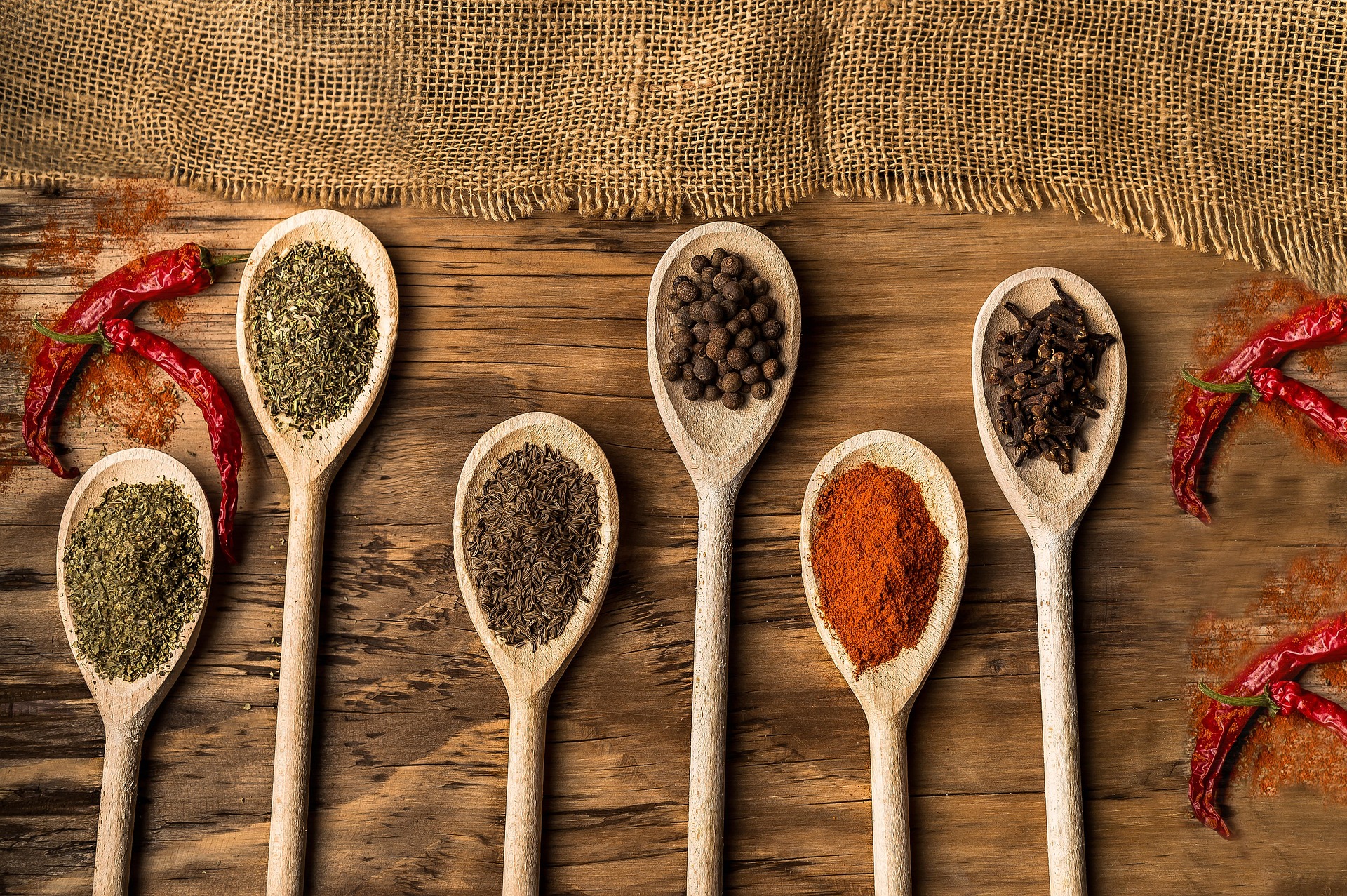
Six wooden spoons lined up on a table with different flavors displayed

Identifying emerging flavor trends and taste-testing for the market used to be based chiefly on experimentation and trial and error. In this time-consuming process, ingredients were added, removed, and tried again until the taste reached optimal satisfaction. AI technology is quickly taking the guesswork out of the process and deepening the role of technology in creating new, more balanced flavors. Here are a few of the ways AI is changing the flavor development process:

  • AI technology can use data more accurately to create balanced nutritional ingredients that meet specific health and dietary needs.
  • Technology has simplified optimizing ingredient ratios to achieve the right textures and flavors for the market.
  • Technology can help reduce food waste, suggest ways to optimize nutritional content, and create new flavor combinations that are a growing need.

AI also offers some innovative ways to streamline the production and distribution process.

Sensory Analysis Integration Using Technology

Sensory analysis is essential in marketing or testing any new food or beverage product. The role of technology in analyzing consumer reactions to new products is to help guide how food products are assessed and presented to a global market. So, what is sensory analysis? It offers a way to interpret human reaction to flavors and texture:

  • During flavor development, testing requires time spent integrating sensory analysis, with technology as a key component.
  • AI technology and machine learning can help identify emerging flavor trends and pinpoint complex patterns. AI helps analyze large amounts of data to determine or predict consumer preferences.
  • When it comes to substitutions (dairy-free alternatives or vegan options), sensory analysis and the role of technology become even more crucial to ensure that the consumer experiences the taste they are looking for.

AI goes beyond optimizing ingredient ratios. It can mimic flavors in natural foods and fully activate the senses.

Identifying Emerging Flavor Trends Using Computer Data and AI

Person analyzing AI data and discovering trends

One of artificial intelligence’s extraordinary powers is its ability to adapt quickly and analyze enormous amounts of data. Using this data makes it increasingly easy to identify emerging global trends before they take hold, which is valuable information for flavor development.

  • The role of technology is to get ahead of the curve and tailor flavors to the next trend in food and beverages.
  • Think of it as a crystal ball into the future of food and beverage trends – AI can help predict what consumers might latch onto next, leading you into the next emerging market.
  • Using sensory analysis integration, it’s possible to recreate favorites with specific dietary requirements so that every consumer can enjoy the product on the shelf.

Optimizing ingredient ratios makes it possible to create niche-market products catering to a specific audience while maintaining excellent flavor.

Get Personalized Results

One of the abilities of new technology is to obtain personalized results for premium food profiles. Metarom USA knows that the role of technology is vast in a growing market. Whether your business is looking to add gluten—or dairy-free options or just trying to understand a new geographical area, technology can play a crucial role.

  • It can sort and analyze preferences by region and target markets that haven’t been tapped yet.
  • It can help research regulatory components and flavors that will be more successful in various regions.
  • AI helps identify emerging flavor trends using current data.

The role of technology is crucial in identifying key trends that affect product success and market growth.

Consult Our Team at Metarom USA

At Metarom, we specialize in flavor development using the latest analysis methods. Our team helps guide you through the process and uses cutting-edge flavor engineering to preserve the integrity of your product and enhance all the flavors that will please a growing market. From caramel to vanilla and everything in between, our team is on standby to help you create the perfect product from beginning to end. Contact us today for an online sample!


Types of Baking Yeast

Types of Baking Yeast

March 18, 2025

What type of yeast works best for your baking needs? Learn how to choose the right yeast for baking all your favorite recipes. Create new tastes and textures, and watch your bread and baking rise to the next level! From essential instant yeast and active dry yeast to more specialized forms made with cutting-edge technology, we […]

Read More

What type of yeast works best for your baking needs? Learn how to choose the right yeast for baking all your favorite recipes. Create new tastes and textures, and watch your bread and baking rise to the next level! From essential instant yeast and active dry yeast to more specialized forms made with cutting-edge technology, we have your go-to guide for achieving the perfect balance.

Discover how swapping to deactivated yeast, crumbled yeast, cream yeast, or compressed yeast can change the look, taste, and texture of your creations. Our experts at Metarom USA weigh in on the ideal types of yeast for baking bread, cakes, cookies, pizzas, and more on a large scale and in the home kitchen. Let’s start with the most common forms.

Instant Yeast

It’s simple to use and easily found in any grocery store with a baking aisle. Since it’s dry in texture, you can add this form of yeast straight into your dry ingredients when making any bread recipe or other baked goods requiring yeast as an ingredient. Here are some key things to keep in mind if you are baking with instant yeast:

  • Instant yeast has a lower moisture content than other types of yeast for baking, allowing it to ferment faster.
  • It has a slightly longer shelf life than active versions, making it ideal for long-term stocking in the pantry.
  • Expect a slightly granular texture, making it perfect for quick-rise recipes where baking time is a factor.

Use it to make bread, pizza dough, and other baked goods with a quick rise. Deactivated, cream, crumbled, or compressed yeast versions can be substituted, but nothing beats quick and easy instant yeast!

Active Dry Yeast

One of the key differences between this and other types of yeast for baking is the timing. While instant versions can be added straight into your dry baking ingredients, active yeast is typically mixed into warm water first to dissolve. This process is called proofing, and it takes longer than simply using instant yeast in your recipe. Here are some other characteristics:

  • Active dry yeast has slightly larger granules than its instant counterpart.
  • You can use instant yeast instead, but it may alter the time you need to let your baking rise due to a protective coating that needs to dissolve in water. Active yeast, including instant versions or even crumbled or deactivated yeast, may take longer to rise than other types of baking yeast.
  • It should be stored in a cool, dry place. When sealed, it can last for years, but once opened, it stays in the refrigerator for about four months.

If you have more time, active dry yeast can work its magic. It’s more sensitive to external temperatures than compressed or cream yeast, but it’s great for bread machines or recipes with slower rise times.

Deactivated Yeast

Baker adding a final coating to baked bread

Known interchangeably as deactivated or inactivated yeast, this vegan-friendly option has become a cultural trend when creating specialty baked goods. Other types of yeast for baking contain living organisms. Deactivated yeast is yeast without living cells. For strict vegans, it’s a great solution to avoid the consumption of the living organisms found in your typical instant yeast product. Here’s what sets it apart:

  • It’s perfect for high-protein flours since it promotes dough relaxation more than active dry yeast.
  • Combined with cutting-edge technology, it can shorten the time it takes to mix the dough from start to finish.
  • It supports a more uniform appearance after baking.

Deactivated yeast is perfect for pizzas, tortillas, croissants, and other flaky baked goods.

Other Types of Yeast for Baking

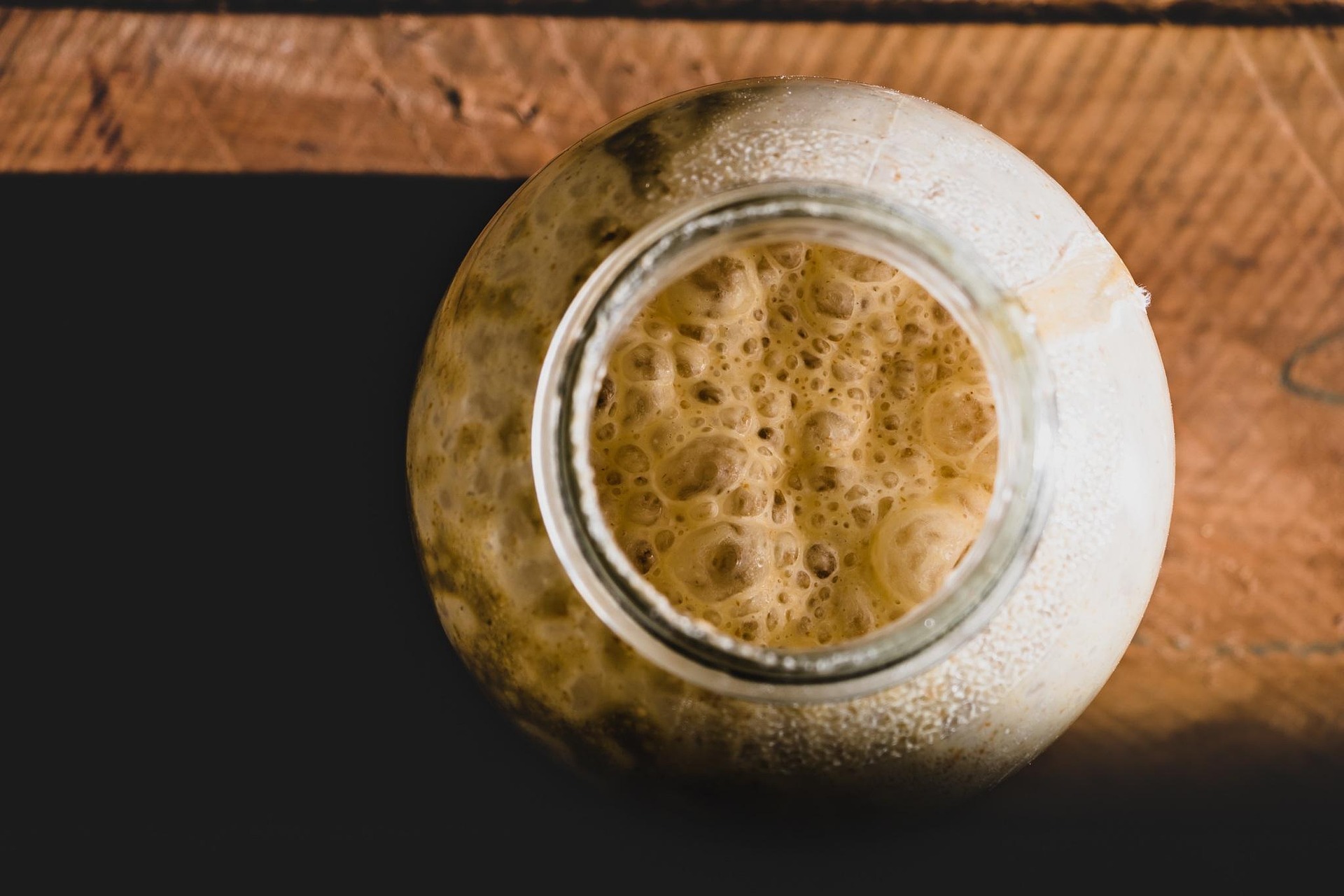
A jar containing active bread yeast and proofing ahead of use

Several types of yeast on the market are less known and created in different forms, including crumbled yeast, compressed yeast, and more. Each of these textures has its benefits regarding use and baking – and some are better used on a larger scale. Here are a few lesser-known yeast options that are easier to transport and better used for larger projects.

Cream Yeast

Cream yeast is used commercially by bakers and contains about 80% water. It includes extra moisture and water compared to deactivated, instant, active dry yeast and other types of yeast used for baking. Since it preserves a good portion of living organisms and is easy to transport, it’s an excellent option for the large-scale production of baked goods.

Compressed Yeast

This yeast type is fresh cream yeast with the moisture and water content removed and drained. It’s also known by other names, such as cake, wet, or fresh yeast, and is widely used by commercial bakers. Unlike some different types of yeast for baking, the compressed version has a shorter shelf life than instant yeast or active dry yeast, and it must also remain refrigerated.

Crumbled Yeast

Crumbled yeast is simply fresh yeast crumbled into a different texture. It can be easier to use since it’s already separated from a block and crumbled up. It can be packed and transported in air-tight bags that preserve its function upon arrival.

Request a Sample Online Today

Metarom USA is well-versed in alternative yeast options that help boost nutritional quality and make production easy. Discover how our team can help you grow! You’ll gain access to various types of yeast for baking, including cream and compressed yeast, which are used on a larger scale. Contact our team at Metarom USA and request a sample online.


The Health Benefits of Tamarind

The Health Benefits of Tamarind

March 7, 2025

Consumers are quickly discovering the excellent health benefits of tamarind. This powerful fruit contains many vitamins, reduces inflammation, supports digestive health, and boosts immunity when needed. It’s no wonder tamarind is used in a diverse range of new recipes for food and beverages on the market. From trendy curries to nutrient-filled smoothies, tamarind is an […]

Read More

Consumers are quickly discovering the excellent health benefits of tamarind. This powerful fruit contains many vitamins, reduces inflammation, supports digestive health, and boosts immunity when needed. It’s no wonder tamarind is used in a diverse range of new recipes for food and beverages on the market. From trendy curries to nutrient-filled smoothies, tamarind is an up-and-coming superfood.

As a trailblazer in the flavor industry, Metarom USA is on the cutting edge of techniques that infuse tamarind into everyday products to enhance nutritional content. The health benefits of tamarind are plentiful. Let’s look at some of the many perks of using tamarind flavors.

Better Digestion

Tamarind comes from the Tamarindus indica tree, which is native to Africa but also grows in other tropical locales, including Asia, India, and South America. This fiber-packed fruit has long been used in herbal remedies to support easier digestion. It is a natural laxative that helps support regularity and enhance bile production. Recipes with tamarind can help remedy some of the most common digestive issues. Here are some other amazing health benefits of tamarind related to digestive health.

  • Tamarind’s prebiotic properties promote healthier bacteria in the stomach.
  • Its high fiber content helps combat gas and bloating from excess stomach acid or indigestion after meals.
  • The fruit’s alkaline properties help balance the digestive tract.

The tamarind flavor profile varies between sweet, jammy, sour, or tangy. As a rule of thumb, it gets sweeter as it ripens. Tamarind’s health benefits are easy to obtain. It can be added to sauces, marinades, beverages, sweets, and soups. It’s integral to many traditional South Indian, Thailand, and African dishes. Your favorite curry or spicy pad Thai likely has a dash of tamarind thrown into the mix.

Immunity Boost

A variety of fruit is displayed on a wooden table

If you need an immunity boost, Tamarind is the perfect addition to your diet. It’s naturally high in Vitamin C and other antioxidants. There are so many ways you can enjoy this fantastic fruit. You can eat the pulp raw, compress it into a block, or boil it into a concentrate infused with immunity-boosting vitamins. The health benefits of a tamarind infusion are enormous,

  • Tamarind is high in magnesium, which has anti-inflammatory and wound-healing properties. This fruit contains at least a quarter of the recommended daily intake!
  • Eating tamarind may help combat seasonal ailments and shorten their lifespan – for example, reducing common cold symptoms.
  • This fruit is full of antioxidants and gives you a boost any time of year.

Discover how using recipes with tamarind can amplify the nutritional qualities for a serious immunity recharge. Several global dishes use tamarind to add texture and a bit of sweetness. The health benefits of tamarind are plentiful, and they pay off in the long term.

Decrease Serious Illnesses

Tamarind contains polyphenols that may help combat various serious ailments, including cancer, diabetes, and heart disease. Its flavor profile is ideal for natural flavoring. Tamarind can be a healthy substitute in food and beverages, so its use is becoming more widespread in the flavor industry.

  • Although high in sugar, tamarind ranks low on the glycemic index, making it a potential nutritional substitute for individuals with diabetes.
  • It’s high in various B Vitamins, making it ideal for brain health, promoting longevity, and providing other health benefits.
  • Even an ounce of tamarind contains essential vitamins and minerals, which can reduce cancer risk when combined with other healthy habits.

Discover why tamarind is a key component of daily nutrition and a healthy diet.

Glowing Skin

Woman holding a skin care product with flawless skin

Of course, you can ingest tamarind for its fantastic health benefits, but it’s also great for the skin’s surface. Adding tamarind into your skincare regime can boost that glowing look and keep your skin looking healthy, glowing, and young. Here’s how to gain even more health benefits of tamarind:

  • Tamarind’s anti-inflammatory properties reduce inflammation and blemishes.
  • Its high Vitamin A and C content helps even skin tone, leaving a fresh glow.
  • It’s a gentle exfoliant, removing build-up on your skin and leaving it refreshed and smooth.

Simple recipes with tamarind can help your skin. A bit of natural extract or paste will refresh it.

Strong Bones

Some of the perks of tamarind aren’t visible on the outside. One of the health benefits of tamarind is helping to promote strong bone density. There are some key components in tamarind that aid bone health and density. Here are some ways tamarind supports strong bones:

  • Tamarind is full of magnesium, which is linked to better bone density, especially in older age.
  • Tamarind contains high levels of calcium, which could help prevent bone fractures and osteoporosis.
  • Vitamin C is excellent for your skin, and the power fruit packs a lot into even a tiny amount.

Combined with Vitamin D and regular weight training, they are linked to enhanced strength and bone density.

Discover Metarom USA

Metarom USA infuses tamarind and other healthy natural flavors into your product line or recipe. You can check out our best selection of natural products and flavors online. Contact our experienced team of flavor chemists for guidance and discover the added health benefits of tamarind by using our tamarind flavor profile or other natural methods. Request a sample online today.


Enhancing Coffee Flavor Profiles With Custom Solutions

Enhancing Coffee Flavor Profiles With Custom Solutions

January 23, 2025

If you’ve ever watched a talented coffee barista emerge from behind the counter with a photo-worthy cup of coffee and fantastic flavors to match, you know the value of a spectacular custom creation. It goes beyond asking, “iced or hot?” Combining the exact temperature, texture, and balance of flavoring is an art form that keeps coffee customers […]

Read More

If you’ve ever watched a talented coffee barista emerge from behind the counter with a photo-worthy cup of coffee and fantastic flavors to match, you know the value of a spectacular custom creation. It goes beyond asking, “iced or hot?” Combining the exact temperature, texture, and balance of flavoring is an art form that keeps coffee customers coming back for more.

Enhancing coffee flavor profiles is a breeze when you have a professional team behind you. From iced beverages to steamy seasonal creations, discover how to create custom coffees that will surely please your palate and find custom flavor solutions that will elevate the enjoyment of every last drop. Developing the perfect flavor profile is possible with a strong team. As a flavor manufacturer, we bring experience and a vision to your product line–here’s how.

Functional and Sustainable Coffee Flavoring

Creating the right balance means finding ingredients that are both functional and sustainable long-term. Today’s customer base seeks seasonal varieties beyond a dash of nutmeg on top of your everyday brew. The modern coffee enthusiast demands added health benefits, natural ingredients, and custom flavor profiles. Enhancing coffee drinks by infusing the latest and greatest takes some expert guidance. At Metarom USA, we specialize in sustainable sourcing prompted by Gen Z influencers with a classic touch. Here’s how our team will create the perfect brew:

  • The newest beverage trends demand functional flavors, fat replacers, and health-promoting ingredients such as collagen and additional nutrients.
  • We focus on pure, natural flavor enhancements instead of over-the-top stimulants.
  • Our team emphasizes returning to natural, sustainable sourcing and packaging without compromising quality or flavor.

We are proud to offer one-of-a-kind solutions to ensure we enhance the coffee flavor profiles to please the taste buds of your most substantial buyers on a large scale.

Meet Health and Dietary Needs Naturally

Breakfast, including coffee in bed

We use cutting-edge technology to create custom coffees and substitutes, all while meeting the highest international standards in the business. Our team specializes in natural and organic flavors while maintaining a balance using a formula that works. Here’s what our team has to offer:

  • Natural flavors and coloring that won’t alter the texture or negatively impact the taste of your product.
  • Customized flavor solutions that meet high nutritional and environmental standards and help bring out the best in your custom creation to create a buzz and broader interest in the market.
  • Years of experience enhancing coffee flavor profiles in France’s food and beverage industry and on an international market.

We work directly with you to create custom flavor solutions using natural fat replacers, bitter blockers, and additional specialized masking agents to preserve the integrity of your beverage while keeping it all natural. You can trust our team to make it happen! Our creations do not leave a lingering bitter aftertaste; we know what combinations work.

Explore Our Specialties

Metarom USA offers a wide range of flavors and extracts, but we have a longstanding history of traditional flavor offerings rooted in historic French culture. Customers trust our caramel products to be among the best in the business. With a combined 100 years of experience creating flavors, enhancing coffee flavor profiles is a breeze with our trusted caramel creations. Here’s why you can expect the best from our product line:

  • Metarom was founded by Maurice Métayer in 1950 in France and established its name as one of the top caramel producers of its time.
  • After expanding to the United States in 2017, Metarom’s mission became sharing European specialty flavors with a global audience.
  • We specialize in enhancing coffee flavor profiles, including caramel, vanilla, nutrition-based products, and more. We welcome businesses worldwide to our state-of-the-art facility in San Diego, CA.

Explore our custom coffees and flavor solutions, including syrups, creams, inclusions, and powders, and discover why Metarom USA is trusted to bring your customer base only the best natural flavors.

Increased Demand for Specialty Coffee Drinks

Americans enjoy approximately 400 million cups of coffee daily, and the average American may consume one to four standard cups daily. This demand keeps coffee shops and retailers on top of trends, devising new ways to grow and take advantage of a surging market.

  • Curating the perfect brew means enhancing coffee flavor profiles and offering iced or flavored versions of the coffee drinks we love to sip!
  • Americans are demanding specialty drinks with more frequency–including favorites with dairy-free or decaf options.
  • Seasonal choices, including spicy or nutty versions of a blend, are popular and leave an increasing demand for creative custom coffees and flavors.

In recent years, there has been a surge in the trend of enhancing coffee flavor profiles, and the industry continues to grow and change.

Access Global Research and Trends

A cup of coffee with beans indicating a pulse line

The pulse of the global industry is constantly evolving. Look at some of this year’s top trends, and let us help you create your go-to flavors! Working with our American office means staying on top of custom flavor solutions and changing trends. We’ll analyze your current market base and effectively position your product at the forefront of the next big thing.

  • We help you identify what’s hot on the market, using our knowledge of flavoring and enhancing coffee flavor profiles to help you jump on board and ride the wave.
  • Cultural trends across the globe can quickly move to the other side of the hemisphere with Instagram and other social media platforms.
  • Curate your perfect brew on-trend, using tested methods and sustainable sourcing.

Our team brings your beverage to a widespread audience. We’ll cover all your bases, from popular dairy alternatives to spicy versions of your favorite custom coffees. Discover more beverage industry trends in the growing coffee beverage industry and see what’s hot right now!

What Sets Metarom USA Apart?

Our longstanding mantra is “global reach with a local focus.”

Metarom USA is one of ten Metarom manufacturing sites worldwide. We excel at enhancing existing food and coffee flavor profiles. Expect professionalism and a shared vision when collaborating with our top flavor chemist team.

You’ll benefit from supply chain optimization, local sourcing, and unique global access to experts when you work with us. Our products are SQF, Kosher, and organic certified so that you can expect the highest standard of quality in your custom coffees and other creations.

Request A Sample Online Today

We’re on standby to add global flavors to your product line. Our specialists bring passion and a plan. Enhancing coffee flavor profiles and custom coffees is our niche, and it may bring fantastic health benefits to your growing customer base! Contact our team at Metarom USA and ask us about our most popular flavor profiles and custom flavor solutions.


Sustainable Sourcing in Flavor Manufacturing: Best Practices and Benefits

Sustainable Sourcing in Flavor Manufacturing: Best Practices and Benefits

January 9, 2025

At Metarom USA, we have firsthand knowledge about the steady shift toward sustainable sourcing in the flavor manufacturing process. Today’s consumers increasingly demand to know how their food products are sourced and exactly where their ingredients come from. Luckily, our team has been working sustainably for a long time. Alongside the growing demand for sustainable […]

Read More

At Metarom USA, we have firsthand knowledge about the steady shift toward sustainable sourcing in the flavor manufacturing process. Today’s consumers increasingly demand to know how their food products are sourced and exactly where their ingredients come from. Luckily, our team has been working sustainably for a long time.

Alongside the growing demand for sustainable goods and practices, producers are becoming more aware of local, sustainable sourcing strategies. These strategies may have benefits such as avoiding costly supply chain interruptions and long delays in flavor manufacturing. Best practices dictate future production, and choosing a supplier well-versed in consistent, reliable sourcing practices can make or break your product’s future success and widespread availability on the market.

Our team at Metarom works with the most reliable, sustainable flavor suppliers on a local scale. Discover how to use more sustainable sourcing to ensure your product’s future success. Explore how our team has a longstanding history of sustainable use and best environmental practices on a local and global scale.

What Makes Some Flavors More Sustainable?

Products from sustainable sourcing are more environmentally friendly and are produced with a long-term vision of preserving soil health, promoting future growth, and increasing conservation. At Metarom, we work directly with local sources, including farmers, workers, and local growers, to protect local biodiversity and long-term access to our most popular flavor sources. In short? We know where our food flavoring comes from. Not every flavor manufacturer can make the same claim, so when you choose a partner for flavor manufacturing, make sure you delve deeper into their sustainable practices.

Sustainable sourcing practices often involve flavors derived from organic farms that prioritize biodiversity and long-term soil preservation in the flavor manufacturing process. Consumers who prioritize sustainability and local protections can also look for food labels to help them understand where their food flavoring comes from. Metarom USA products are organic certified, meaning that we support the long-term protection of our flavor sources.

Best Practices in Flavor Manufacturing

Two local farmers harvesting their crops outdoors

The global landscape is constantly evolving as climate change becomes an ever-looming threat. Sustainable sourcing and food labels are becoming the best ways to combat the effects of climate change on food production. Without protections, natural resources risk being depleted until they are no longer available for use. Pure quality can also be difficult to guarantee, and the trustworthy source of a flavor is hard to trace back to its origin.

What else can companies do to support best practices in sustainable sourcing? A few examples are using hybrid or electric vehicles for transportation, using RSPO-certified palm oil, providing financial support to local farmers and potential new supply sources, and supporting safe working conditions and pay. These are all ways that companies in the food flavor industry can support sustainable sourcing conditions worldwide and make their mark promoting sustainable practices.

What Are the Benefits?

The goal is to ensure transparency for consumers and companies involved in the flavor manufacturing process. Best practices include many benefits. The main advantages are that flavors reach consumers and the food market without being overfarmed or depleted. Interruptions in the supply chain are costly–and can be avoided. Consumers are more likely to seek out products with sustainable and safe food labels in the coming years. Flavor manufacturing is a cutting-edge industry, and being a leader in sustainability is an advantage when it comes to growth and thinking about the future. Sustainable sourcing is a trend that is unlikely to go away anytime soon.

The Case Study: Vanilla Bean Production

The simple vanilla bean is a prime example of how supply chains can be impacted by climate change and overproduction. Authentic vanilla is the second most expensive spice in the world after saffron and is in high demand worldwide. Vanilla extract is highly desirable as a flavor for baking and other goods. Since vanilla thrives only in naturally moist locations, climate change has impacted vanilla’s growing season in many locales. Sustainable sourcing is an essential component in harvesting vanilla. Too much rain, or too little, can wreak havoc on the crop and interrupt supply.

Companies using best practices in the flavor manufacturing process should source 100% SVI-certified vanilla. This means that vanilla is being produced using long-term, sustainable sourcing goals. SVI certification also means farmer pay and rights are valued, and the product can be traced back to its origin. Without such certifications, it’s hard to know a flavor source’s true source or purity.

Isn’t Natural Flavor Better?

Just because a flavor is labeled as ‘natural’ doesn’t necessarily make it sustainable. Learning the difference between sustainable sourcing methods and natural flavor sources helps shoppers navigate the ins and outs of better protecting our natural resources and long-term health as the rise of natural flavors increases.. Food flavoring can be both natural and sustainable–but many aren’t.

The most important thing to remember is that natural flavoring can still originate in overused and overfarmed areas. Furthermore, they may be infused with other additives that degrade their purity and taste. This puts the supply at risk of becoming unsustainable for long-term use.

Companies using sustainable sourcing are active in the flavor manufacturing process every step of the way. For more information on using sustainable sources, contact our food flavor team at Metarom.

Request a Sample Today

Metarom USA offers reliability through sustainable sourcing and naturally derived food flavors. Ask us about other health and environmental benefits! Contact our team to sample flavors today.


Regulatory Changes in the Flavor Industry: What You Need to Know

Regulatory Changes in the Flavor Industry: What You Need to Know

January 2, 2025

In the ever-evolving food and beverage industry, keeping up with rapid changes in food flavoring regulations is essential. We have a quick list of upcoming and potential regulatory changes impacting products and store shelves in the United States and beyond this year. Metarom USA has the inside scoop on what’s on the horizon for consumers this year, […]

Read More

In the ever-evolving food and beverage industry, keeping up with rapid changes in food flavoring regulations is essential. We have a quick list of upcoming and potential regulatory changes impacting products and store shelves in the United States and beyond this year. Metarom USA has the inside scoop on what’s on the horizon for consumers this year, from sugar and sodium reductions to dye and flavor bans.

Stay informed about regulatory changes in the flavor industry with more news and updates from our team at Metarom online.

1. Updated Sugar Reduction Regulations in American Schools

A small pile of sugar is sitting on a table

It’s no secret that sugar has enormous implications for the health of citizens worldwide. The World Health Organization recommends that less than 10 percent of dietary calorie intake come from sugar. In the United States, an increase in obesity, Type 2 Diabetes, and other chronic health conditions related to diet and nutrition have spurred the need to act swiftly on sugar reduction–and that’s beginning in schools next year.

Regulatory changes in the flavor industry will include significantly reducing sugar in breakfast cereal, yogurt, and other food and beverage items served at school. New requirements will take effect in the 2025-2026 school year in the United States, among other regulatory changes. Examples of similar reductions can be seen worldwide. Food and beverage companies should get ahead of the curve and curb sugar content in everyday foods to remain competitive.

2. Food Dye Bans and Other Regulatory Changes in the US Flavor Industry

Several countries have already banned food dyes currently used in food production in the United States. More recently, states have introduced their bills and bans. This will have a widespread impact on food production in the United States as food manufacturers scramble to meet each state’s requirements.

In May 2024, California passed a food safety act banning brominated vegetable oil, potassium bromate, propylparaben, and Red Dye No. 3 from food and drinks sold in the state. Illinois recently followed with its own bill. Both could impact how food additives are used. Other regulatory changes in the flavor industry may follow suit, so expect the industry to adjust to meet requirements if similar state bans become widespread.

3. A Smoky Flavor Ban in the European Union

Smoky flavor is a staple in cheese, chips, hams, fish, and other food goods sold in the United States and elsewhere. That’s why we’re watching recent events in the European Union. Eight smoky flavors have been banned for containing potential cancer-causing risks to consumers. Regulatory changes in the United States flavor industry could follow suit. This popular additive will be phased out in the European Union over the next year or two and may impact the US food flavor industry and others.

4. Front-of-Package Nutrition Labels

French supermarkets stock products with front-of-package nutrition labels and health scores to assist consumers in remaining informed. Could the United States follow suit with its own examples of regulatory changes? The FDA was inspired and has examined the health impact of regulatory changes to the flavor industry, including front-of-package nutrition labels. Such changes could spur changes in shopping behavior among American consumers.

5. Voluntary Sodium Reduction Goals

Spilled salt shaker with the word salt traced on the table

Excessive daily salt intake is linked to various health implications that can be costly to treat. The FDA recently examined a proposal to address Americans’ heightened sodium intake. Changes in the flavor industry are sure to follow. Even though the reduction goals are voluntary, they will impact the production of processed foods and pre-packaged goods. More than 70 percent of sodium intake is added during the food manufacturing and commercial food preparation process.

6. The Definition of “Healthy” Foods on Packaging

When can foods be labeled as healthy? Potential regulatory changes to the flavor industry now include how we define healthy foods on American store shelves. A final update to the criteria for labeling foods as ‘healthy’ on packaging will be released in April 2025. Recent regulatory changes in the United States show a desire for more transparency in food packaging on grocery shelves, and this final rule is sure to be a long time coming.

7. Changing Food Industry Trends and Clean Labels

What else is changing in the upcoming year? Expect consumers to continue to demand clean labels and the power to know where their food came from. Regulatory changes to the flavor industry are sure to evolve in the new year, with significant administrative changes and new health reforms promised across the United States. Explore our blog at Metarom USA to stay updated on trends and regulatory changes that will impact the food and beverage industry. Being informed puts your business ahead of the curve.

Request a Sample Online Today

At Metarom USA, our team stays on top of flavor trends and emerging changes in the flavor industry. Reach out to our team of experienced flavor chemists to discover our range of sustainable and industry-compliant food flavorings. Order a sample today!


The African Cocoa Beans’ Impact on Chocolate Production

The African Cocoa Beans’ Impact on Chocolate Production

December 18, 2024

Cocoa beans are crucial to the global chocolate industry. West Africa produces over 70 percent of the world’s cocoa beans. Chocolate manufacturers worldwide rely on cocoa in Africa to supply the rich flavors their consumers demand. Any nuance in crop harvest significantly impacts pricing, with Côte d’Ivoire, Cameroon, Ghana, and Nigeria dominating the chocolate industry. African cocoa […]

Read More

Cocoa beans are crucial to the global chocolate industry. West Africa produces over 70 percent of the world’s cocoa beans. Chocolate manufacturers worldwide rely on cocoa in Africa to supply the rich flavors their consumers demand. Any nuance in crop harvest significantly impacts pricing, with Côte d’Ivoire, Cameroon, Ghana, and Nigeria dominating the chocolate industry.

African cocoa beans and African cocoa powder are each known for their intense flavors, earthy undertones, and extremely high quality. Cocoa farming is a significant global supply and income source for African farmers. Any interruption in this supply chain can be devastating from a consumer cost perspective. We’ll look at some of the factors in cocoa bean production and what to do about the impacts.

Global Weather Impacts

Cocoa beans on the tree

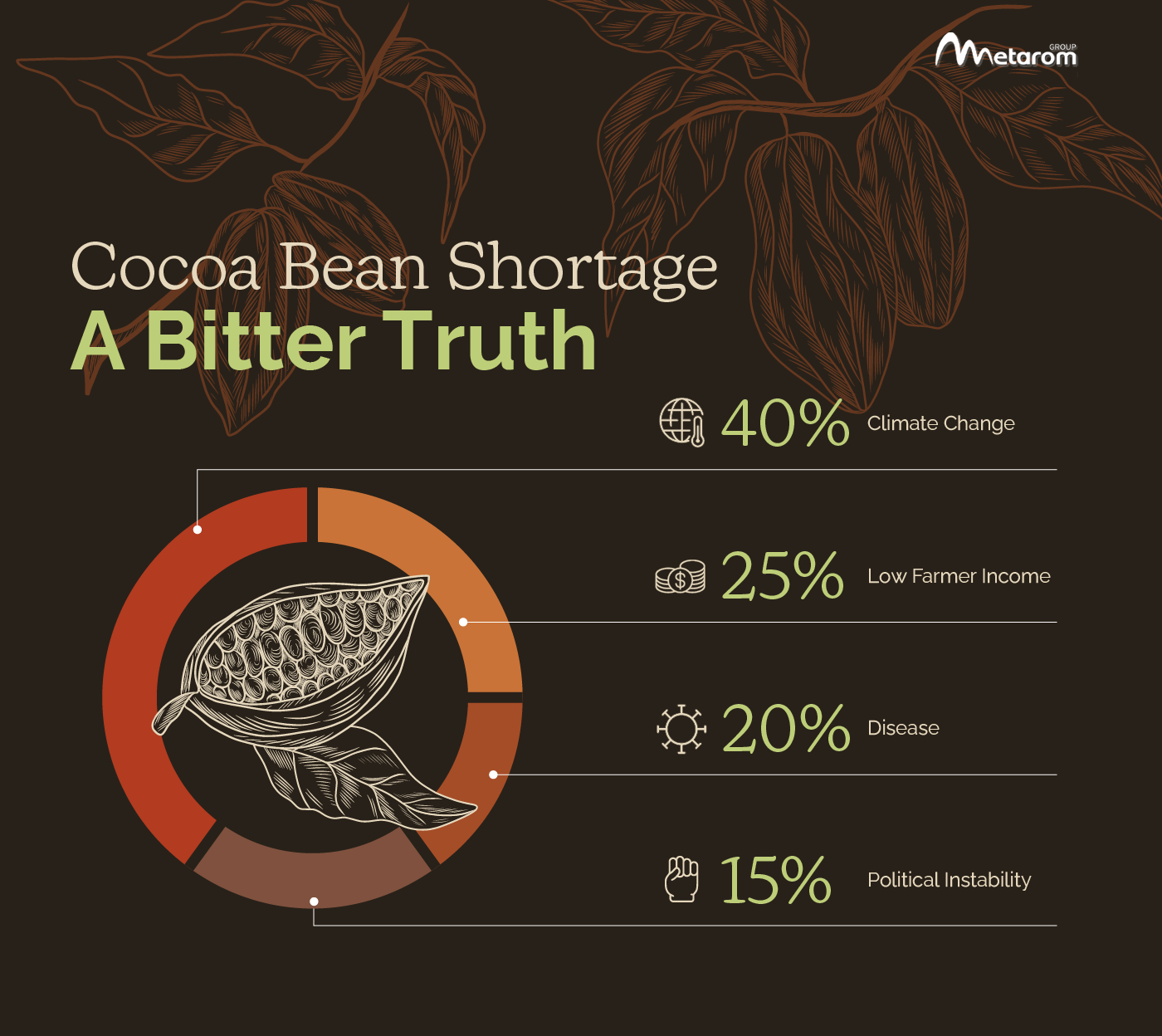
In the era of climate change, many unpredictable elements can significantly influence the industry’s steady supply of cocoa beans. This means price increases become inevitable from time to time. African cocoa beans are sensitive to weather events, and this sensitivity reduces crop yields. Here are some of the ways a changing climate has impacted West Africa cocoa production significantly across the world:

  • HSAT reports that El Niño, coupled with climate change, is wreaking havoc on West Africa’s cocoa production. Erratic rainfall patterns and increased temperatures in West Africa have caused moisture stress and inhibited the growth of cocoa flowers and pods. These climatic shifts also exacerbated the spread of pests and diseases, making it challenging for farmers to maintain optimal cocoa yields.
    • Black pod disease is caused by a fungal infection called Phytophthora spp. Climate change has brought the region increasingly humid and warm conditions, and the fungus has taken over. The cocoa pods end up with dark, water-soaked lesions and rot. The ramifications of black pod disease are dire, jeopardizing the quality and quantity of cocoa crops. Climate change has impacted cocoa bean production for three years in a row. It is imperative to acknowledge the impact of climate change in West Africa so it can be reversed.
    • Additionally, climate change has created humid conditions that allow mealybugs to thrive. Mealybugs are insects that suck sap and transmit swollen shoot virus. The virus causes the cocoa beans’ shoots to swell, distorts their leaves, and impacts their veins. If it progresses, the branches will die, and, ultimately, the tree will die.
  • Cocoa bean growth can stagnate and react negatively to even a small variation in temperature, interrupting overall global production.
  • Cocoa in Africa has been exposed to extreme heat, cold, droughts, and excessive rainfall recently, dramatically impacting yields from year to year and increasing unpredictability. The shifting weather patterns have impacted not just the chocolate industry but the local and global economies as well.
  • Increased damage from plant disease and the aforementioned pests or insects is also linked to the extreme changes in climate – with mirids and cocoa pod borers becoming an invasive issue for the beans.
  • The World Economic Forum reports that the profound impact of climate change on cocoa bean yields has caused cocoa prices to rise by 400% since the beginning of 2023.

African cocoa beans are the backbone of the African cocoa powder and chocolate industry. Even small fluctuations in the weather influence Africa cocoa farming in the short-term and long-term.

Limited Resources & Job Opportunities Leave Small Farms in Poverty

Over 90% of the world’s cocoa production comes from an estimated five to six million small, local cocoa farmers living in impoverished rural parts of Côte d’Ivoire and Ghana. Most of these farmers battle poverty due to their limited resources, a lack of infrastructure, and a scarcity of job opportunities beyond their farms. Their cocoa crops are vital to their survival, but their farms are limited in size, and numerous factors, including climate change, diseased crops, pests, illegal gold mining, and civil wars, impact their crop yields. The lack of income prompts the farmers to look for ways to increase their opportunities, resulting in other issues, including child labor and deforestation.

Companies and organizations have introduced strategies to increase the income of local farmers in these countries. They have also introduced the farmers to sustainable agricultural practices and more efficient farm management. Additional approaches are being instituted to guide the farmers, including farm maintenance subsidies, cash transfers, and managing other crops to diversify their farms. The World Cocoa Foundation’s goal is to significantly increase the income of cocoa farmers by 2030 through these multi-pronged approaches.

Political Instability in West Africa and Its Impact on Cocoa Pricing

Cocoa production relies heavily on stability and routine. Any political upheaval can widely influence the crop yield in a given year. Countries in West Africa who are key players in the flavor and chocolate industry have had to adapt quickly during these times of change:

  • Côte d’Ivoire is the world’s largest producer of cocoa in Africa. However, civil war, a lack of stability, and drastic policy changes have greatly impacted regular production.
  • While Côte d’Ivoire’s civil war ended in 2011, it continues to impact the country in numerous ways, including damaged infrastructure, ethnic and regional tensions, land disputes, and political corruption.
  • African cocoa beans and cocoa powder depend on infrastructure such as roads and ports. When instability leads to closures, the impact is felt worldwide.
  • Global events such as the pandemic have led to disruptions impacting the entire industry of cocoa farming.

Africa is a leader in the industry so it’s hard to untie all the impacts on chocolate production – but they are massive. How does the global weather and political instability impact prices and the chocolate you buy?

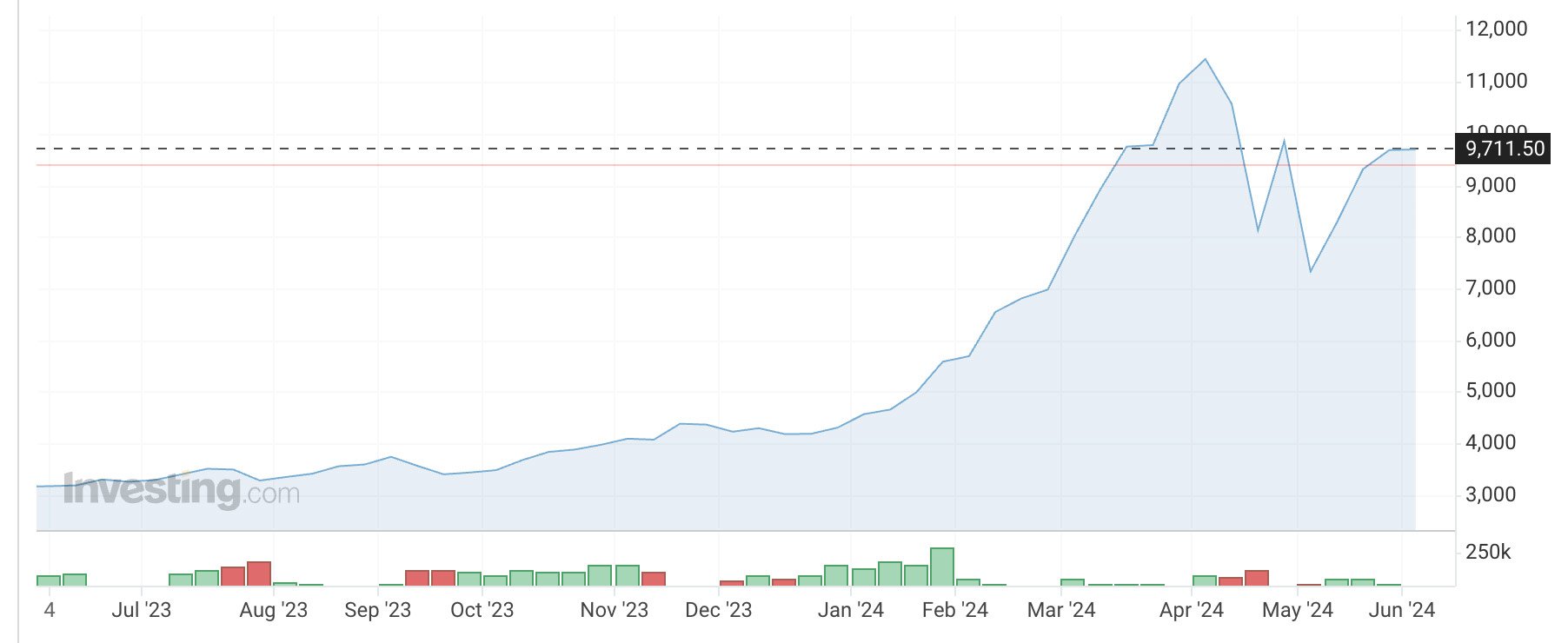
  • In early 2024, cocoa prices surged to over $11,000 per metric ton—a figure nearly three times higher than the average prices since the 1980s, and may climb as high as $20,000 per metric ton.

Surging chocolate prices

  • While 3% fewer Americans consume chocolate than their counterparts across the pond, collectively, they eat more than three billion kilograms of chocolate confectionery annually.

Any producer should pay careful attention to the supply chain and cost fluctuations in African cocoa beans moving forward.

A cocoa bean shortage infographic from Metarom USA

The Food Industry Is Adjusting & Making Back-Up Plans

The Daily Dot reported that food service industry worker TikToker Just Thoughts (@noeditsjustthoughts) shared recently, “For those that like milk and dark chocolate should start to store a supply. As someone in the dessert food service industry, we are making backup plans to start in the coming weeks because we’re close. We’re gonna be running out of cocoa soon.”

Reuters also noted in March that local farmers can no longer hold on to their farms due to illegal gold mining and cocoa prices that have more than doubled over the last year, scaling numerous all-time highs.

“We need massive demand destruction to catch up with the supply destruction,” Tropical Research Services’ Steve Wateridge, a world expert on cocoa, said.

The Reuters article also shared that, “…two sources said more major state-run plants could shut down soon in top grower Ivory Coast, which produces nearly half the world’s cocoa, and that the sources asked not to be named because they were not authorized to speak publicly on the issue.”

Metarom USA shared that their global supplier, CIRANDA emailed John Hemmingsen, Director of Sales – USA for Metarom USA on November 22, 2024 regarding the continued volatility and increase in prices, noting that there continue to be fluctuations in the cocoa and chocolate market prices, with “current pricing around $8,400 per tonne based on industry reports as well as insights shared by [CIRANDA]’s suppliers…due to a number of factors—continued tight supply out of Africa, growing concern of a below-average harvest in Africa, and looming EU provisions of its ‘deforestation law’ that would curb supplies of cocoa from countries where deforestation occurs (like the Ivory Coast and Ghana),” and that “CIRANDA prices have increased due to global market volatility.”

Developing a Cost-Effective Strategy

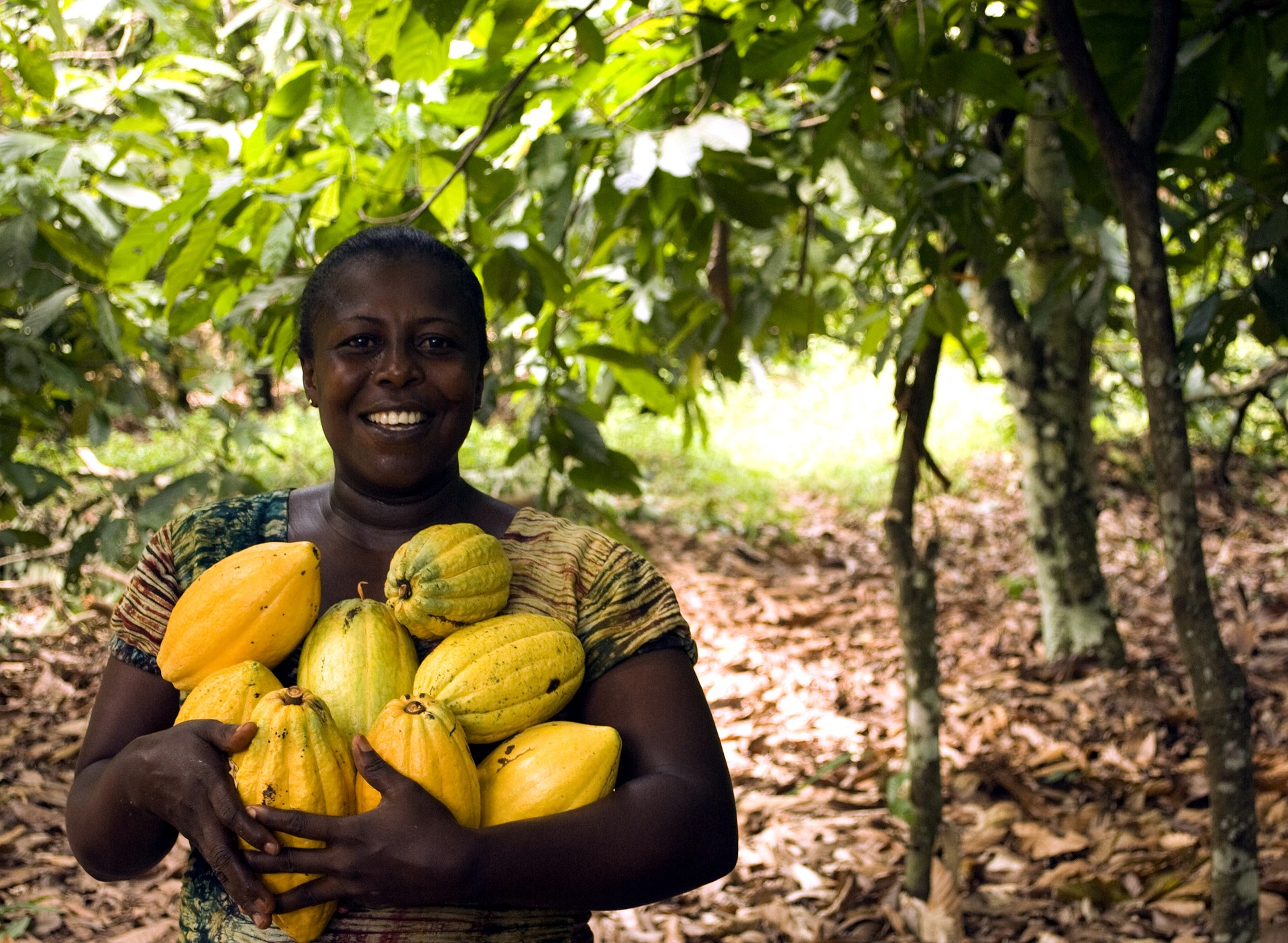
Cocoa beans being harvested

Now that we’ve examined some extenuating factors in West African cocoa production, it’s time to develop a strategic plan to maintain stability from a producer and consumer standpoint. We work with key players in the global market to create cost-effective solutions that meet growing demand and maintain a stable price point.

  • To help consumers cope with this growing instability, Metarom USA has worked extensively with partners and flavor chemists to develop a new technical flavor called Cocoa Booster, which can supplement cocoa in Africa during supply interruptions.
  • Cocoa Booster maintains the same high-quality standards while offering a responsible alternative for African cocoa beans.
  • Cocoa Booster can replace up to 30 percent of cocoa or African cocoa powder while meeting the highest standards.

Cocoa farming in Africa will continue to have challenges, and Metarom USA has unique solutions for global organizations.

What Are Technical Flavors?

Metarom has years of experience developing technical flavors that meet the strictest European and global standards while maintaining the integrity of taste and texture. Thanks to our profound knowledge and expertise, our flavor chemists replicate the richness of African cocoa beans. Here’s how we do it:

  • We’ve targeted the delicate balance between the creaminess of milk chocolate and the subtle astringency of high-end chocolate originating in West Africa.
  • Cocoa production continues to be a key component in chocolate manufacturing, and the familiar flavors aren’t compromised.
  • Using Cocoa Booster will significantly reduce your cocoa purchases and boost your profitability by replicating the unique flavors of African cocoa beans.

The cocoa supply in Africa may always fluctuate – but the costs to the consumer will remain more stable by introducing innovative solutions by Metarom.

Future Impacts on Chocolate Production

Implementing a plan for supply interruptions means your organization will better withstand the possible future implications for chocolate production worldwide. Access to African cocoa powder and cocoa beans derived from farming in Africa is not a certainty, so if your products rely on these key ingredients, we suggest exploring some of our other innovative options.

  • Work with our flavor chemists to create a match for your organization’s trademark products.
  • Discover how to mitigate the risks of West African cocoa production on supply chains globally.
  • Easily supplement when you need to.

Contact our team for a consultation and discover more solutions.

Reach Out Today

Discover the taste of authentic African cocoa beans using our technical flavors. Ask us for a sample and work with our team at Metarom USA!


Plant-Based Flavor Innovations: What’s New and Exciting

Plant-Based Flavor Innovations: What’s New and Exciting

December 11, 2024

Get the low-down on all the new and exciting innovations in plant-based flavor this year! The latest developments will create a buzz in the health food industry and across your social media feed in 2025 and beyond. This year, growing demand from Gen Z and Millennial consumers brings an expanding array of options to the […]

Read More

Get the low-down on all the new and exciting innovations in plant-based flavor this year! The latest developments will create a buzz in the health food industry and across your social media feed in 2025 and beyond. This year, growing demand from Gen Z and Millennial consumers brings an expanding array of options to the plant-based flavor industry.

Hot on the list? These new flavor innovations are taking over: we’re upping the ante on the nutritional value of meat substitutes; non-dairy cheese options are expanding, and plant-based seafood is the thing. Finally, there’s a celebrity recognition of the expanding range of plant-based flavors. Let’s look at some more exciting innovations in plant-based flavor happening right now! From holiday specials to steady expansions in the beverage industry, growth-opportunity is knocking at the door.

The Expanding Range of Meat Substitutes

Gourmet veggie burger with lettuce and tomato on a cutting board

You can go out anywhere these days and find a veggie burger option. Plant-based flavor innovation means a growing number of options go way beyond the initial introduction of simple meat substitutes just a few decades ago. Tofu and soy protein used to be the go-to meat flavor substitutes, but options have expanded. They include plant-based flavor innovations like these:

  • Pea protein has recently become a top meat substitute, but bean, lentil, and chickpea proteins have similar textures and flavor profiles.
  • Seed proteins are emerging as plant-based flavors that expect growth this year.
  • Growing flavor-substitute options include oat flakes, canola, flaxseed, and green spelt.

Innovations in flavor development, including bitter blockers, mean a wider variety of plant-based substitutes can be used in meat substitutes without a lingering aftertaste or vegetable flavor. Stay tuned for even more plant-based flavor innovations and expanding flavors that mimic meat and dairy products!

Non-Dairy Cheese Like the Real Thing

French bread with cheese, fresh figs, and basil on top of a cutting board

Previous efforts at creating a non-dairy cheese were close, but we all agree it was noticeable that they weren’t exactly the real thing. The newest efforts to create replicas of real cheese have it almost down to a science. Functional flavors, fat replacers, and plant-based flavor innovations mean even non-dairy cheese tastes great and has the perfect texture. If we didn’t tell you it was non-dairy, you might not know the difference in a blind taste test! Expect more varieties when it comes to range, better melting, and great flavor for your next cheese plate.

Plant-Based Seafood?

If you haven’t heard of it yet, you will! The next generation of plant-based flavors in meats includes plant-derived seafood. Vegans will rejoice as new options on the market include natural, non-GMO, soy-free ingredients. These plant-based flavor innovations have produced some new options arriving on the market to expand your palette beyond imitation crab:

  • You’ll find more sushi-stop favorites like salmon and tuna sashimi.
  • Discover a new variety of options for shrimp lovers and even great-tasting fried calamari!
  • Shrimp bites and fish sticks are created using flavor innovation techniques, which means they taste as authentic as possible.

If you’ve been craving a seafood fix, expect more choices at your local supermarket shelf this year. Advances in the flavor industry mean the tastes and textures are almost identical to the real thing.

Nutritional Parity

If you put non-dairy cheese side-by-side with the real thing, you may discover differences in vitamin, calcium, and other nutritional content. Plant-based flavor innovation includes developments in ACTI’BOOST and other nutrition-based formulations that help create more balanced and nutritional products.

  • Advances in food flavor technology mean you can create food items with similar or almost the same nutritional content.
  • Functional Flavors, such as fat replacers and sweetness enhancers, not only create the same taste and texture but also help develop products with the same nutritional value as the real thing.
  • Health-conscious consumers can expect more options for non-dairy, vegan, Kosher, and certified organic foods.

It’s one thing to create a replica of foods we love; it’s another to compare the nutritional components of each one and see how they compare.

Expanding Beyond Meat and Dairy Substitutes

A growing demand for plant-based flavors from Millenials and Gen Z has created an expanding market for plant-based products. As more consumers discover the health and environmental benefits plant-based flavor innovation can bring with it, new grocery aisle sections have emerged as growing trends in the market.

  • This year, expect a growing number of plant-based versions of international dishes, including Italian, Indian, Mexican and Chinese culinary favorites.
  • Plant-based flavor innovation trends have expanded even further into the beverage industry, including culinary sauces, a range of chocolates, desserts, and spreads.
  • Plant-based products will more often include seasonal specialties or holiday-specific offerings on the grocery store shelves.

The potential for growth goes beyond grocery store shelves. Expect to see more options in plant-based flavor innovation online or at your favorite restaurants.

Request a Consultation Today

Metarom USA offers global experience in plant-based flavors. Our offices in Europe and the United States are well-situated to monitor growing trends in the food flavor market. We are well-versed in food trends and the creation of flavors in the plant-based food market.

Our team of flavor chemists helps design plant-based flavors to meet emerging demand. Contact our team for a consultation.


The Rise of Natural Flavors: What Consumers Need to Know

The Rise of Natural Flavors: What Consumers Need to Know

October 25, 2024

One major trend is shaking up the global flavor market: the decisive shift toward using natural flavors in food, beverages, confectionaries, and more. Consumers are undoubtedly demanding transparency regarding what they eat. As a leader in flavor development, Metarom USA brings you the most up-to-date information about changes occurring across the industry. The swift rise of natural […]

Read More

One major trend is shaking up the global flavor market: the decisive shift toward using natural flavors in food, beverages, confectionaries, and more. Consumers are undoubtedly demanding transparency regarding what they eat.

As a leader in flavor development, Metarom USA brings you the most up-to-date information about changes occurring across the industry. The swift rise of natural flavors may leave you wondering what customers need to know about this growing trend. If you have questions – our team has the answers. Let’s look at what this means for your favorite flavors and products.

Natural vs Artificial Flavoring

First, let’s examine the difference between artificial and natural flavoring in popular food and beverage products. The rise of natural flavors has much to do with growing transparency regarding artificial flavoring in food and beverages. So, what does ‘natural flavors’ mean? What about the use of artificial flavoring? Here’s a breakdown of each type of flavoring and the popular uses, benefits, and drawbacks for which each is known.

What is Natural Flavoring?

Fruits and vegetables on the shelf at the grocery store

Natural flavoring is a food label term indicating that the flavor source comes from natural sources. Natural sources include plants, herbs, spices, fruits, vegetables, and animal products. Let’s take a look at what ‘natural flavors’ mean in the world of food and beverage production:

  • The FDA requires that all flavorings labeled as ‘natural’ originate from either plant or animal sources, emphasizing the rise of natural flavors in food.
  • Artificial ingredients cannot be used to create genuinely natural flavoring.
  • Natural flavoring is considered to be more authentic overall than artificial flavoring.

Typically, companies choose natural flavoring and extracts over artificial flavoring based on consumer preference and the desire to know exactly where the product and its flavoring come from.

What is Artificial Flavoring?

Food scientist testing artificial flavoring in a food lab

Our flavor chemists are knowledgeable in the rise of natural flavors as a preferred option for product flavoring. At Metarom USA, we choose natural flavors first. But many companies do opt to use artificial flavoring – anything used for flavoring that does not come from natural plant or animal sources. This type of sourcing has both perks and drawbacks:

  • The science of artificial flavoring is so advanced now that many artificial flavors created have the same chemical structure as natural flavors.
  • The rise of awareness around studies examining the potential health consequences of artificial flavors means consumers are now more aware of the possible adverse health effects.
  • Artificial flavoring often looks and tastes similar to natural flavoring, but it’s created in a lab using advanced chemical processes.

Artificial flavoring is often less expensive and sometimes easier than sourcing the flavor naturally. In some cases, where supply is impacted by weather or acts of war, it can be more sustainable than sourcing locally.

What Customers Need to Know About Food Labels

What does ‘natural flavors’ mean when it comes to food labels? Let’s learn more. Reading food labels can be tricky, and there are some things informed consumers should bear in mind when it comes to examining them. With the rise of natural flavors in the industry comes an increased awareness about how some companies can slide artificial flavoring into everyday products.

  • According to the FDA, listing tiny amounts of artificial flavoring may not be required on food labels.
  • Sometimes, one generic term (artificial flavoring) is used on food labels when more than one chemical additive is actually involved in the flavoring process.
  • Flavorists can use natural flavoring, artificial flavoring, or both to obtain optimal taste in a developing food or beverage product.

So, what can buyers do to ensure they eat authentic and natural food? They can eat more whole foods to ensure they get genuinely natural flavors with no additives. The demand for natural flavors may make the process more transparent over time.

Collaboration With Metarom USA

We offer a professional partnership with a truly transparent process. We source naturally derived ingredients and have access to global sources and a consistent supply. We use the best ingredients to create carefully crafted flavoring for your unique product line. Here’s how we can help you keep it natural when developing new flavors.

  • We respect the rise of natural flavors, so we partner with locals to find the best and most consistent supply.
  • Our team helps you understand the age-old question: “What does ‘natural flavors’ mean?” We help you navigate an increasingly complex industry.
  • We know what customers need to know about natural flavoring. Enjoy a completely transparent process.

We are excited to partner with you and create the healthiest product possible using natural processes.

Request A Sample Online Today

Reach out to our experienced team of flavor chemists and explore a truly global partnership. We’ll guide you through the process of discovering the added benefits of natural flavors’ rise and help you tailor which natural flavors are right for you. Contact Metarom USA for a free sample online, or check out our best natural flavors and extracts today.